Blog
What Works With UV Printing? A Material Guide

A logo can look sharp on a shirt and still need a completely different decoration method for a tumbler, nameplate, gift box, or display sign. That is where many customers ask, what works with UV printing? UV printing is a practical choice for adding detailed, full-color artwork to many hard goods, but the best results depend on the item’s material, shape, surface finish, and intended use.
For businesses, schools, teams, and gift shoppers, the goal is simple: choose a product that looks polished, fits the occasion, and presents your design clearly. You do not need to know every production term to get there. You just need a little guidance on what UV printing is designed to do.
What Works With UV Printing on Hard Goods?
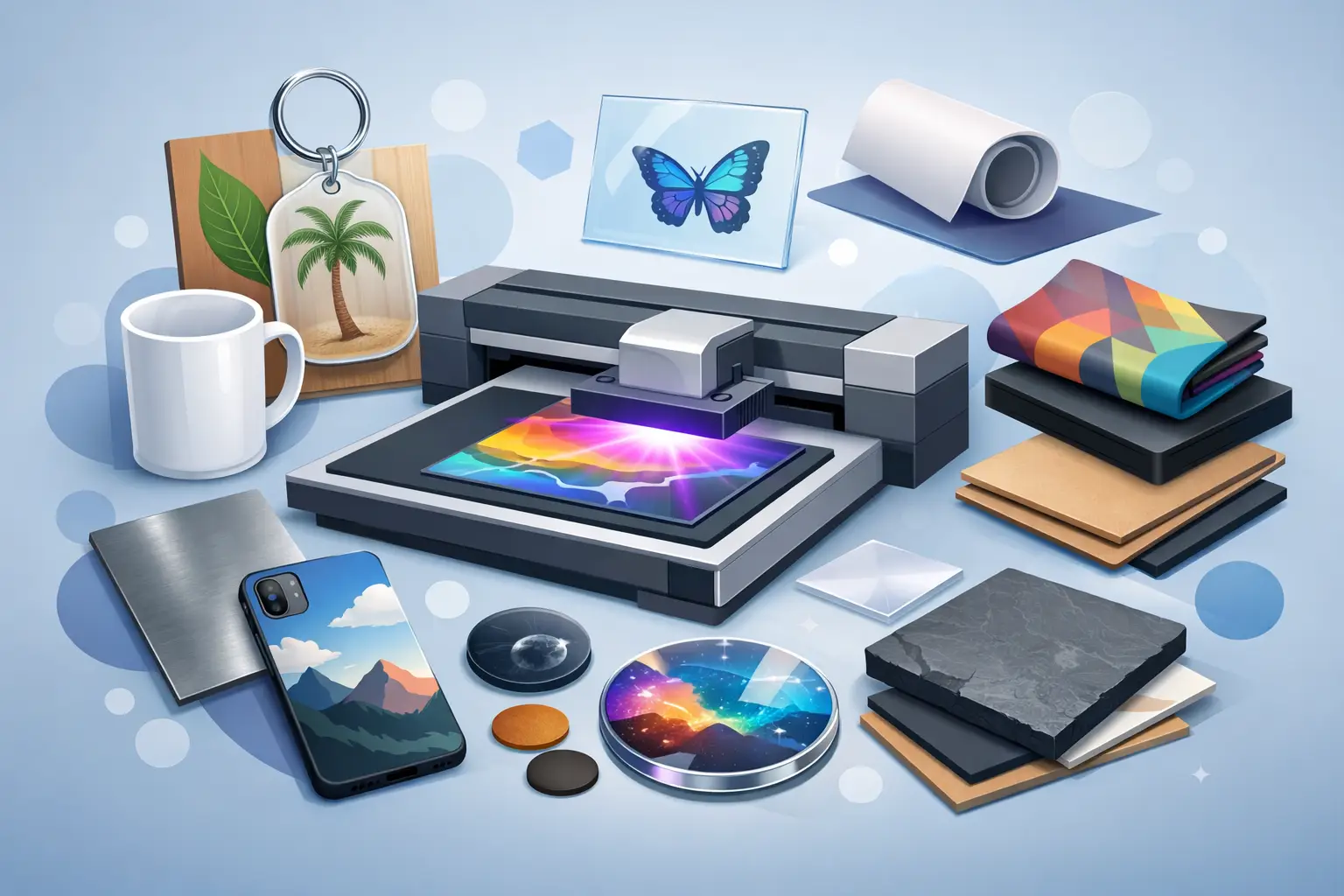
UV printing applies ink directly to a product surface, where it is cured with UV light as part of the printing process. This makes it especially useful for detailed logos, colorful illustrations, names, photos, and small design elements that may be difficult to reproduce with other decoration methods.
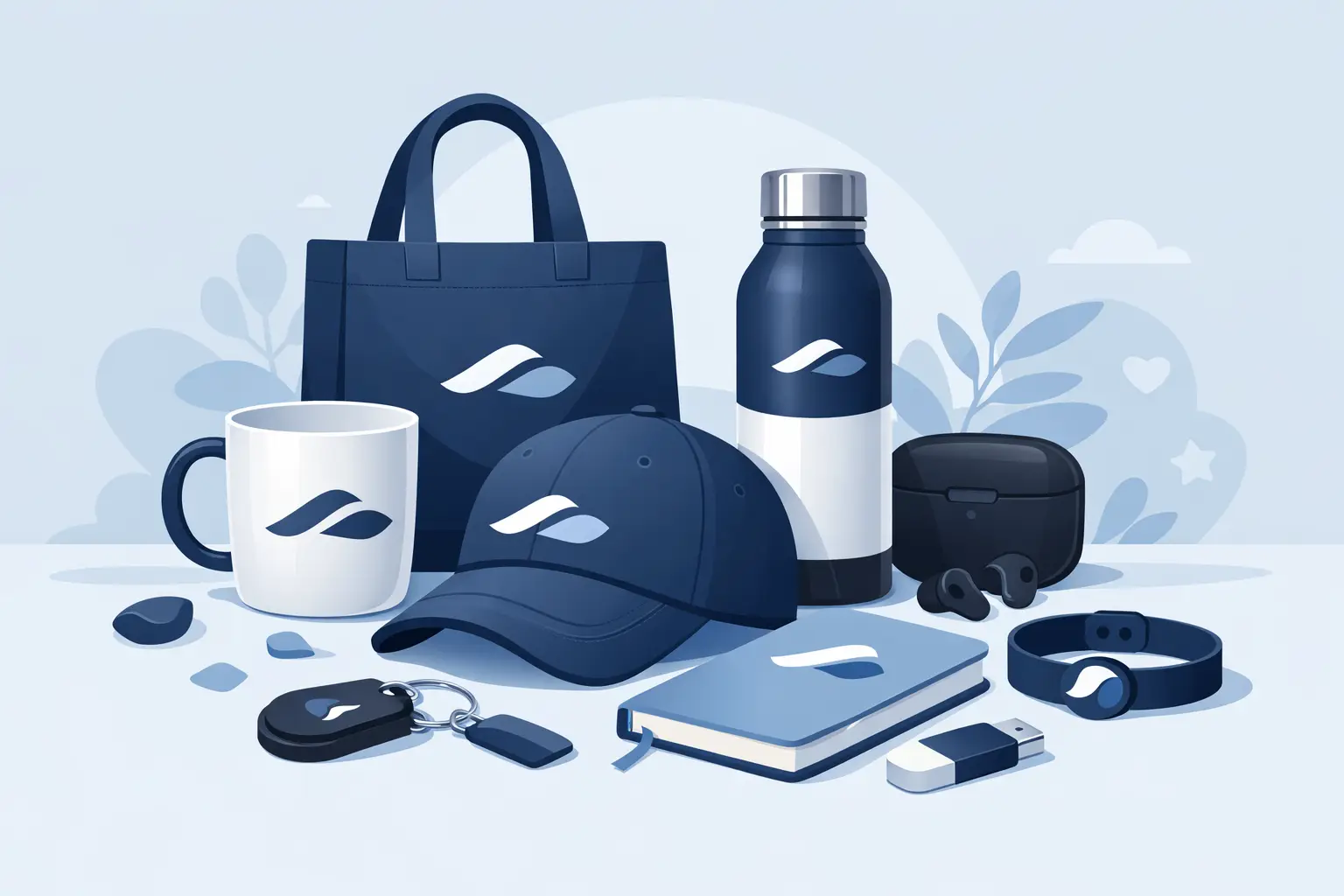
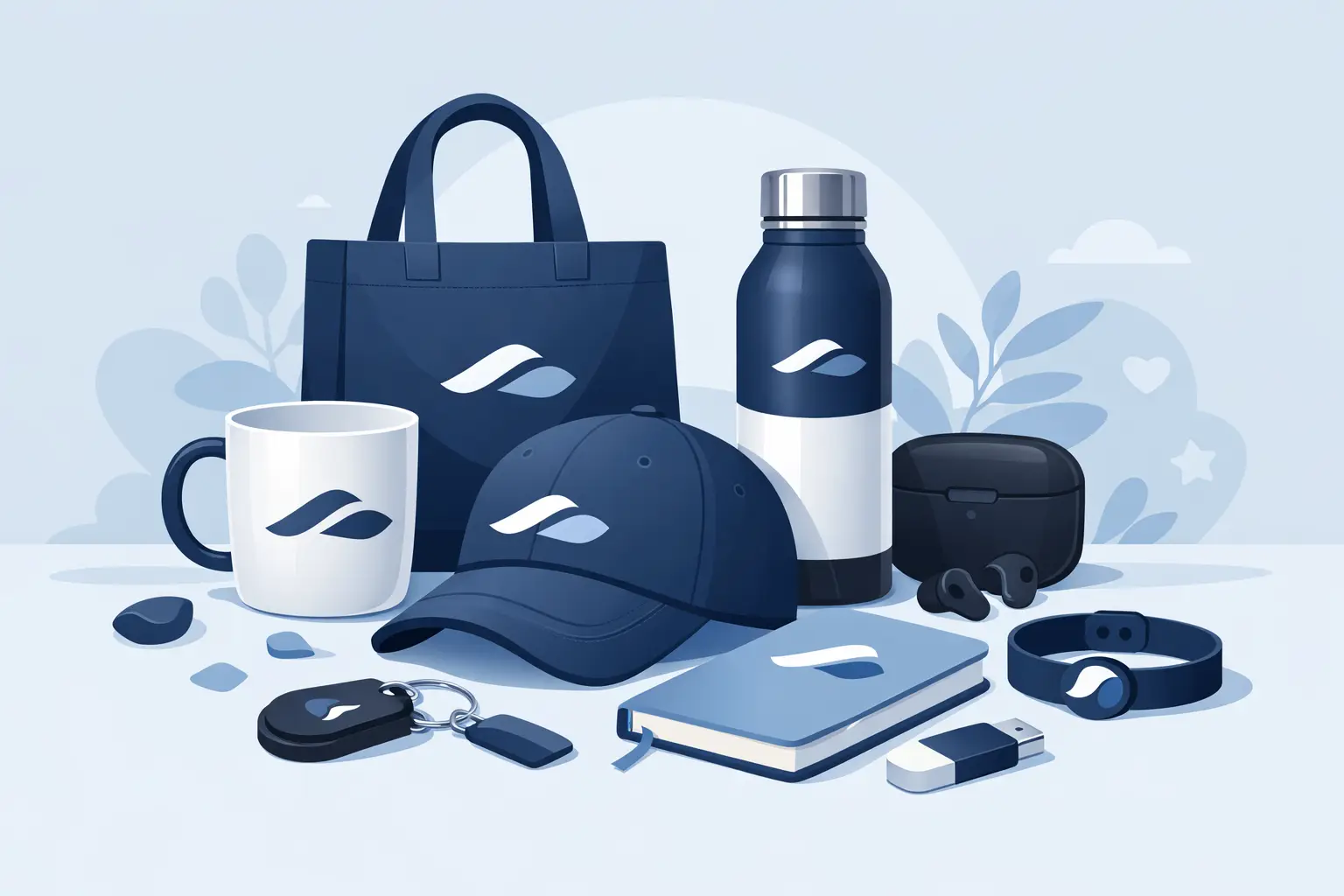
It is generally best suited to hard, smooth, and relatively flat surfaces. Think of products such as acrylic pieces, certain coated drinkware, plaques, signs, keychains, ornaments, phone accessories, business materials, and personalized gift items. The right item gives the printer a stable area for the design while allowing fine details and color changes to remain clear.
UV printing can be a strong match when your artwork includes a full-color logo, a small photo, layered text, or several shades that would be cumbersome to produce one color at a time. It can also be a helpful option for short runs and personalized pieces, where each item may carry a different name, date, role, or message.
Smooth, Flat Surfaces Are the Easiest Starting Point
A flat sign, plaque face, acrylic panel, or hard-cover item often gives a design the most predictable placement. There is less concern about artwork wrapping around a curve, falling into a recessed area, or crossing over textured material.
That does not mean every good UV printing project must be perfectly flat. Many useful promotional and gift products have gentle curves or shaped edges. The key is giving the artwork a suitable print area. A simple logo centered on a smooth section is usually easier to plan than a design that needs to cover corners, seams, handles, or uneven surfaces.
If you are ordering branded products for an office, fundraiser, school event, or staff appreciation gift, it helps to think about where the recipient’s eye will naturally land. A clean, well-positioned logo often makes a stronger impression than a design that is squeezed into an awkward space.
Coated and Compatible Products Can Be Great Candidates
Some drinkware, gift items, and promotional products are made or finished with surfaces intended for decoration. These items can be good candidates for UV printing because the printable area has been considered as part of the product design.
However, material descriptions alone do not tell the entire story. Two items that both appear to be metal, plastic, glass, or wood may have different coatings, textures, finishes, or surface treatments. Those details can affect how a print looks and how appropriate the item is for the project.
For that reason, it is wise to share the exact item you have in mind before committing to a larger order. If you are supplying your own products, a sample or clear product information can help confirm whether UV printing is a sensible route. For coordinated branded orders, choosing items with known printable areas also helps keep the finished collection consistent.
Great Uses for UV-Printed Custom Products
UV printing shines when the product and design need more visual detail than a simple one-color mark. It can bring personality to small items without making them feel busy.
For businesses, consider branded desk pieces, signs, promotional items, recognition gifts, or small products that support a professional, coordinated look. A full-color logo can be especially useful when color is a recognizable part of your brand identity. Rather than simplifying the artwork too far, UV printing may allow more of the original design to come through.
For schools, teams, and community groups, personalized pieces can make events feel more connected. Names, mascots, event dates, sponsor acknowledgments, and colorful graphics can all be part of an item designed for a banquet, fundraiser, reunion, tournament, or volunteer thank-you.
For families and gift shoppers, UV printing opens up thoughtful options for keepsakes and everyday-use items. A child’s drawing, family photo, favorite saying, memorial message, wedding detail, or holiday design can become part of a gift that feels personal from the start.
What Does Not Always Work Well With UV Printing?
The better question is not only what works with UV printing, but also when another decoration method may be a better fit. A good production partner will help you choose based on the product itself, not force every idea into one process.
Highly textured surfaces can make fine artwork harder to reproduce cleanly. Deep grain, rough finishes, pronounced ridges, and irregular materials may interrupt small lines or tiny lettering. A bold, simple design may still be possible in some cases, but detailed artwork can lose clarity when the surface is not even.
Very flexible items are another consideration. UV printing is intended for hard goods, while apparel and other flexible fabric products often call for options such as DTF printing, screen printing, or embroidery. The right method depends on whether you need full-color graphics, a classic printed look, a stitched logo, or a solution for a larger quantity of garments.
Items with difficult geometry also deserve a closer look. Narrow curves, sharp corners, raised edges, recessed panels, handles, hinges, and moving parts can limit the available print area. A product may still be usable, but the design may need to be resized, repositioned, or simplified to suit it.
Finally, not every image is right for a small product. A detailed photo can look wonderful on a larger, smooth surface but become hard to read on a tiny keychain or compact accessory. In those cases, selecting the most recognizable part of the image, enlarging the main subject, or using a simpler version of the logo can make the final piece more effective.
Start With the Design, Then Choose the Product
Customers often choose the item first and the artwork second. That works for many projects, but reversing the order can save time when your design has specific needs.
If your logo has thin lines, small text, gradients, or several brand colors, identify those features early. They can influence the ideal product size and printable area. A wide horizontal logo may need a broader surface, while a tall badge-shaped logo may fit better on a vertical item. If the design includes names or variable information, plan for enough room to keep each line readable.
Good artwork does not have to be complicated. In fact, promotional products and gifts frequently look their best when the message is focused. A business logo, event name, date, and short phrase may be all you need. For a personalized gift, one favorite photo paired with a meaningful name or message can be more memorable than a crowded collage.
When you send artwork or inspiration, include any colors, wording, quantity, and product ideas you already have. If you are not sure which hard good fits the design, say so. That is useful information, not a problem to solve alone.
UV Printing Versus Other Customization Methods
UV printing is one part of a larger customization toolbox. It is a natural option for many hard goods, but it is not automatically the best option for every item or project.
Embroidery gives polos, hats, jackets, uniforms, and logo apparel a dimensional stitched finish. Screen printing can be a practical choice for bulk apparel and event orders, particularly when the design and garment selection suit the process. DTF printing is useful for detailed, full-color apparel graphics. Laser engraving creates a different visual effect on compatible plaques, signs, gifts, and keepsakes.
The best choice comes down to what you are decorating, how the artwork needs to look, and how the finished item will be used. A coordinated project may even use more than one method. For example, a company could choose embroidered polos for staff, printed shirts for an event, and UV-printed branded hard goods for welcome packages or giveaways.
A Simple Way to Plan Your UV Printing Project
Start by choosing the purpose of the item. Is it meant to promote your business, recognize a team member, commemorate an event, or become a personal gift? Then gather the artwork, even if it is only a logo file, a photo, or a rough idea of the message.
Next, consider the product surface. Is it hard and smooth? Is there a clear, accessible area for the design? Does the artwork need room for small details or multiple colors? These questions help narrow the choices without requiring you to become an expert in materials.
At Busy Bee Stitches, the most helpful custom projects begin with a conversation about the finished result you want. Bring the logo, the occasion, the quantity, or even just the idea. From there, it is easier to pair your design with a product and decoration method that feels made for it.
A well-chosen UV-printed item does more than carry a name or logo. It gives people something useful, personal, and easy to remember – whether it is handed out at an event, placed on a desk, or wrapped for someone special.
Latest Post