
Blog
Can DTF Print Photographs? What to Expect

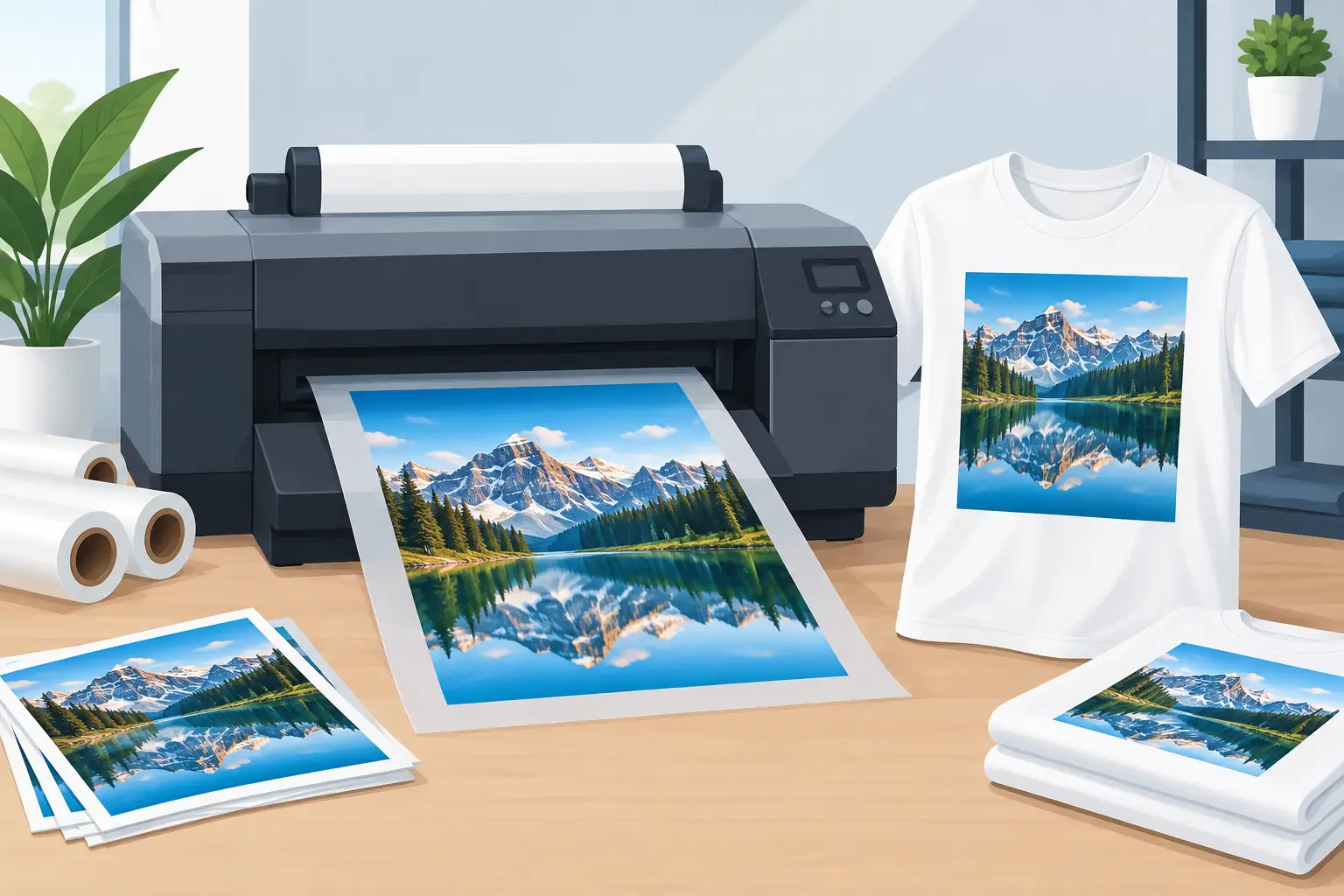
A favorite family photo can mean more than a stock graphic ever could. Whether you are planning reunion shirts, a memorial keepsake, a birthday gift, or apparel for a special event, the question is simple: can DTF print photographs? Yes, DTF printing can be a strong option for photo-based designs, especially when the original image is clear and the garment choice supports the look you want.
The finished result depends on more than pressing a photo onto a shirt. Image quality, lighting, background details, garment color, and the size of the print all affect how the photograph translates. A little preparation helps turn a meaningful image into a piece people will be proud to wear or give.
Can DTF Print Photographs Clearly?
DTF, or direct-to-film printing, is designed for detailed, full-color artwork. That makes it well suited to photographs with faces, colorful clothing, scenery, pets, and other small visual details that can be difficult to recreate with simpler print methods.
A well-prepared photo can retain a surprising amount of its original character. Skin tones, color shifts, shadows, and fine details can all be part of the design. Still, a printed photograph is not the same as viewing an image on a bright phone screen. Fabric has texture, and the garment moves when it is worn. The goal is a clean, recognizable, attractive print that honors the photo rather than expecting it to look exactly like a glossy photo paper print.
For customers who need a single shirt or a small run of full-color garments, DTF can be especially practical. It also works well when a design combines a photograph with names, dates, a short message, or an event graphic.
What Makes a Photo Print Well?
The best starting point is a high-quality original image. Photos pulled from social media, screenshots, or images that have been repeatedly shared by text may be smaller or more compressed than they appear on a phone. They can still sometimes be usable, but starting with the original camera file usually gives the printer more detail to work with.
Lighting matters just as much. A photo taken in natural light or a well-lit indoor setting often has clearer faces and smoother color. Very dark images can lose important details in shadow, while heavily filtered photos may print differently than expected. If the photo is meant to be the centerpiece of the shirt, choose the clearest version available.
Backgrounds deserve a closer look, too. A busy background can make a person or pet less noticeable, particularly when the image is printed at a smaller size. In some cases, a simpler crop or a background adjustment helps the subject stand out. That is often the difference between a photo that looks like an image placed on a shirt and a design that feels intentionally made for the garment.
Size Changes the Result
A full group photo with ten people may look great on a screen, but each face becomes quite small when the image is printed across the front of a shirt. For a group photo, a larger print area may make sense. For a child’s portrait, a pet photo, or a close-up family image, a smaller chest or back print can still show the details beautifully.
It depends on what matters most in the photo. If recognizing every face is essential, select a larger image area or consider using fewer people in the design. If the photo is part of a commemorative layout with text, a balanced arrangement may be more meaningful than making the image as large as possible.
Choosing the Right Garment Color
Photographs can work on light or dark garments, but color changes the overall feel. A photo on a white or light-colored shirt often looks bright and open. A dark shirt can create a bold, polished presentation, especially for portraits, memorial designs, or colorful images with strong contrast.
The colors around the photo matter. A dark image on a dark garment may need a thoughtful layout so the design does not feel visually heavy. Likewise, a very light photo on a pale garment can benefit from a border, background shape, or text element that gives it definition.
This is one reason it helps to share the photo and the garment idea together. A design that looks good on a black shirt may call for different adjustments than the same photo on a heather gray or light blue shirt.
Best Uses for Photo DTF Prints
Photo-based DTF printing is a natural fit when the image carries the message. Families often choose it for reunion shirts, milestone birthdays, graduation celebrations, or gifts that feature children, grandchildren, and pets. Organizations may use a team or group photo for a special event shirt when the order is about a shared memory rather than a standard logo.
Memorial and remembrance apparel is another meaningful use. A favorite portrait, a handwritten message, dates, or a short phrase can come together in a design that feels personal without needing to be overly complicated. The same approach can work for retirement gifts, anniversary gatherings, and tribute events.
For business apparel, photographs are usually less common than logos, but they can have a place in a limited-event design, staff celebration, or community fundraiser. The key is making sure the photo supports the purpose of the piece and remains readable from a normal viewing distance.
How to Prepare Your Photograph
You do not need to be a designer to send in a photo for a custom project. The most helpful approach is to provide the best image you have and explain how you want to use it. If you are unsure whether it will print well, that is a good question to ask before finalizing the design.
When submitting a photo, try to provide:
- The original image file whenever possible, rather than a screenshot or a photo of a printed photo.
- A clear note about the garment or item you have in mind and its color.
- Any names, dates, phrases, or design details you want included.
- A description of what matters most, such as keeping faces large, preserving the full background, or focusing on one person or pet.
It is also wise to use photos you own or have permission to use. That keeps the project centered on your family, organization, event, or original idea.
When a Photograph May Need Adjustment
Not every photo needs editing, but some benefit from a little help before printing. An image that is too dark may need brightening. A portrait with a distracting background may look better with a cleaner crop. A low-resolution photo may be best used at a smaller size, where softness is less noticeable.
Older photos can still make wonderful printed keepsakes. In fact, a vintage image can have a warm, nostalgic look that suits a family celebration or remembrance design. Just keep expectations realistic if the original is faded, grainy, or very small. The character of the photograph can remain, even when every tiny detail cannot be recreated.
Artwork placement is another consideration. A portrait may feel right on the front left chest, while a family group image may need the full back of a shirt. For photo-and-text designs, placement should give both elements room to breathe. Crowding too many names, dates, and messages around an image can pull attention away from the people in the photo.
Getting a Finished Piece That Feels Personal
The best photo print projects start with a purpose. Are you creating shirts people will wear at an event? A gift for one person? A lasting remembrance for family members? That answer guides the garment, image size, wording, and design layout.
Busy Bee Stitches can help customers turn a photo and a simple idea into a custom piece that feels considered from the start. Share the image, explain the occasion, and mention the details that matter most to you. A clear photo plus a clear purpose is often all it takes to create something personal, wearable, and worth keeping.
Latest Post