Blog
DTF Transfers for Small Business Made Simple

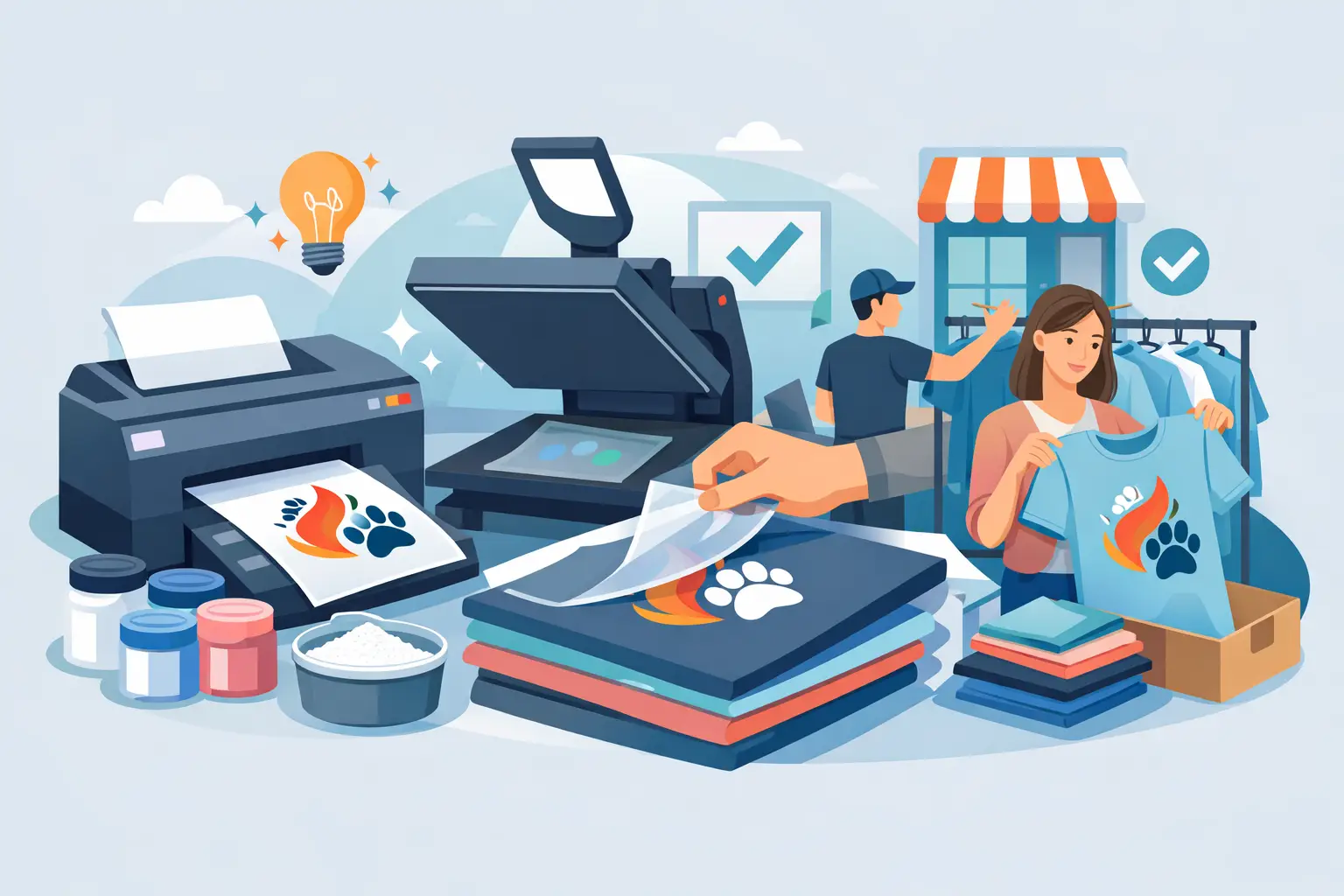
A staff shirt order of 12, a fundraiser design with lots of colors, a last-minute event tee, and a customer who wants just one personalized hoodie can all create the same question: what decoration method makes sense? DTF transfers for small business give owners and organizations a flexible way to add detailed, full-color designs to apparel without building every order around a large minimum.
For many projects, the goal is not simply putting a logo on a shirt. It is creating apparel people are proud to wear – whether that means uniforms that look consistent, team shirts that build excitement, or branded pieces that keep your business visible around town. DTF printing can be a practical part of that plan when the artwork, garment, order size, and intended use are a good fit.
What DTF Printing Means for Your Order
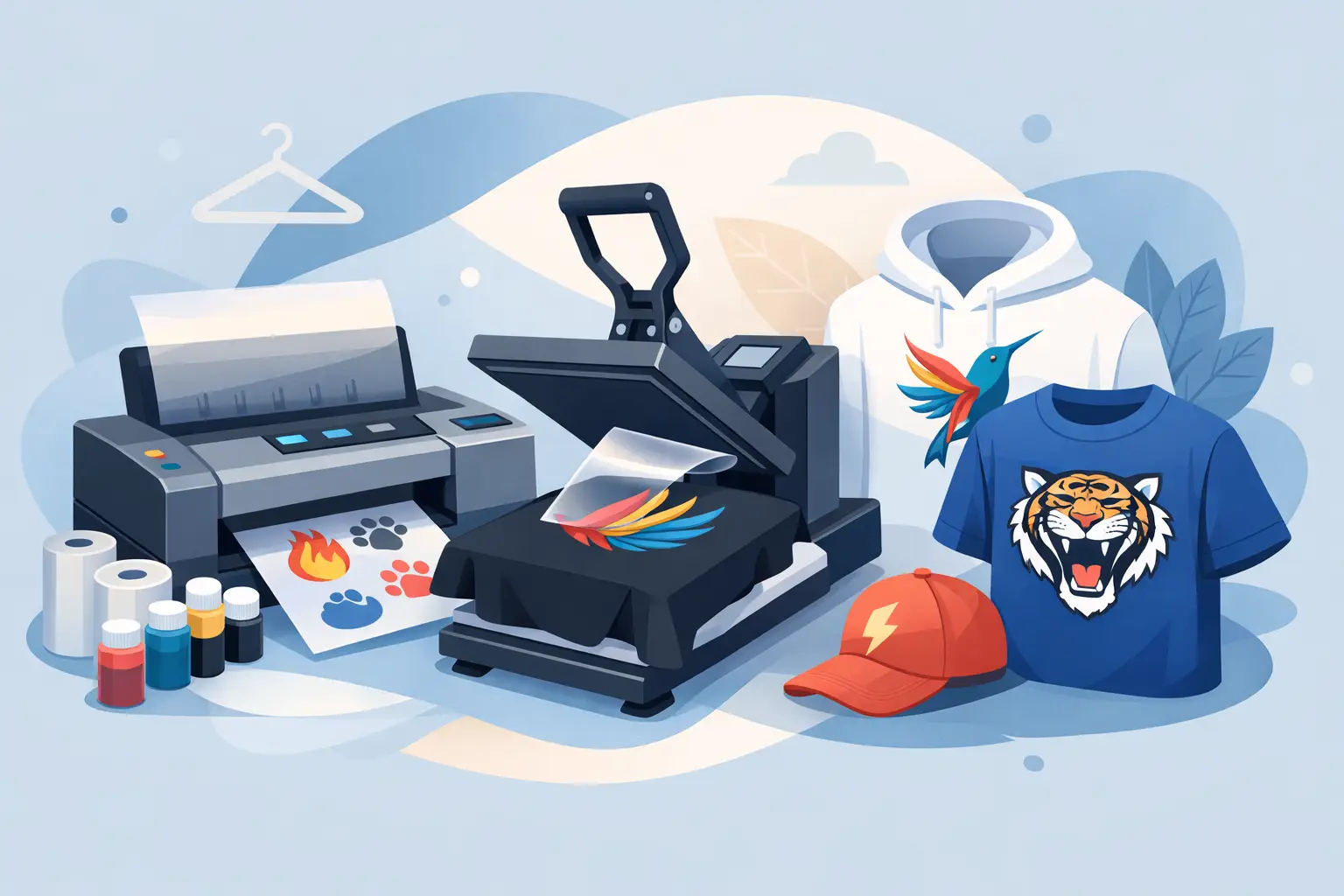
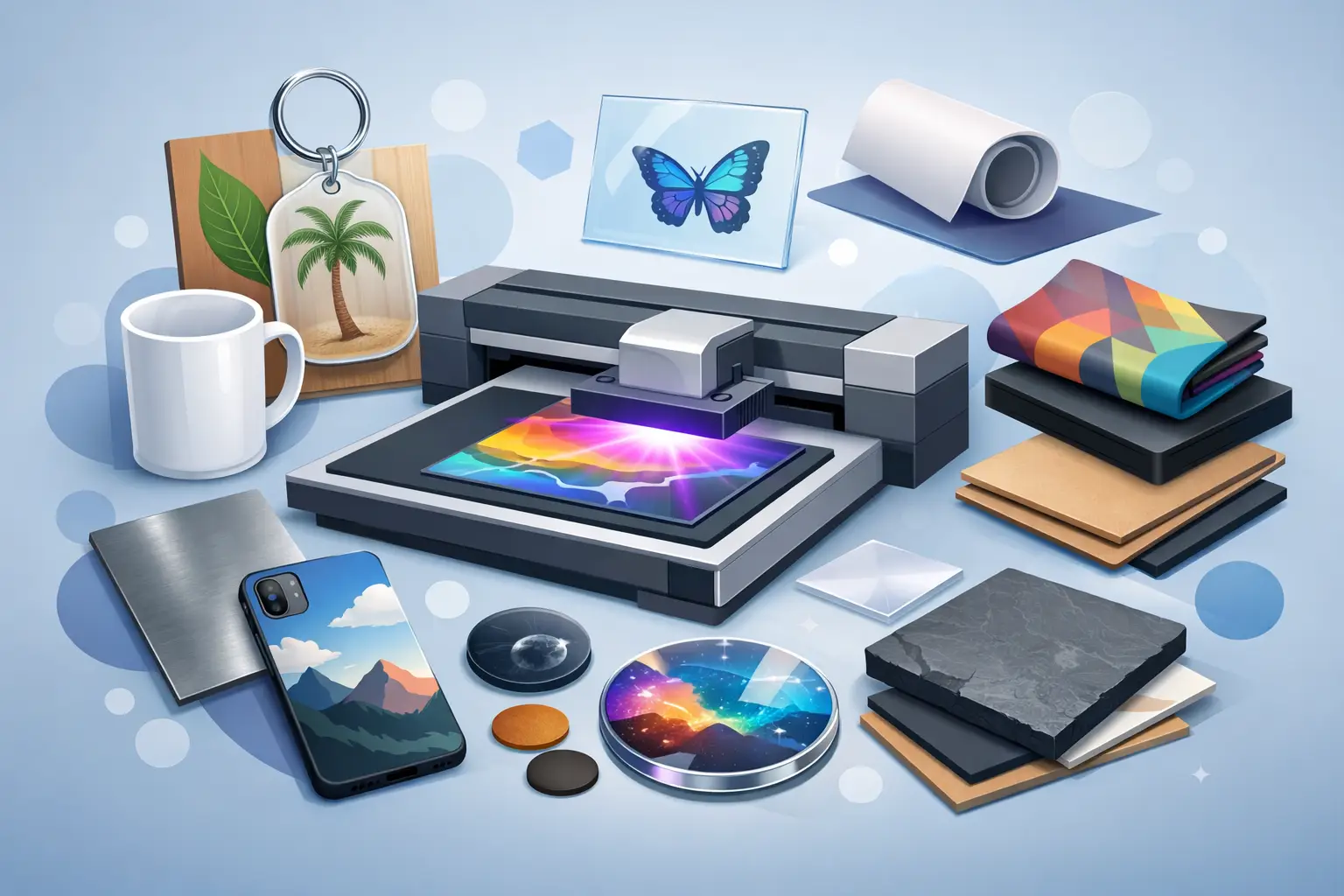
DTF stands for direct-to-film. Your design is printed onto a specialized film, prepared with adhesive powder, and heat pressed onto the garment. The finished graphic sits on the fabric as a smooth, colorful transfer that can handle fine details, gradients, small text, and bright artwork.
For a small business, the biggest advantage is flexibility. A full-color logo does not need to be simplified into one or two ink colors just because you need a modest quantity. You can order branded shirts for a new employee, a small sales team, a pop-up event, or a limited promotional run without treating every project like a large screen-printing order.
DTF also works across many common apparel fabrics, including cotton, polyester, and cotton-poly blends. That makes it useful when your group needs different garment styles, such as soft cotton tees for a fundraiser and moisture-wicking polos for a work crew. The right garment still matters, but you have more options than with some decoration methods.
When DTF Transfers for Small Business Make Sense
DTF is especially helpful when your design has several colors or visual details. Think of a bakery logo with watercolor flowers, a school club graphic with a mascot and shaded lettering, or a contractor’s logo that includes a detailed icon and several brand colors. These elements can print clearly without requiring separate screens for each color.
It also makes sense for lower-quantity orders. A business may need 10 shirts for a trade show, 18 employee appreciation gifts, or a small batch of branded hoodies for a new service launch. With DTF, the order can stay focused on what you actually need instead of forcing you to buy more just to meet a practical production threshold.
Personalization is another strong use. Names, jersey numbers, job titles, and individual details can be incorporated into a coordinated order. A youth team, family reunion, or local organization can keep the main design consistent while giving each person something made specifically for them.
DTF can also be a smart choice for designs placed on the front, back, sleeve, or pocket area of a garment. A simple left-chest logo paired with a full-color back graphic creates a polished look without making the process complicated for the customer.
Where Another Method May Be Better
The best decoration method depends on the project. DTF is not automatically the answer for every shirt order, and a good production partner will help you choose based on the finished result you want.
For large quantities of the same simple design, screen printing may be the better value. If your organization needs hundreds of one-color event shirts or basic logo tees, screen printing is often efficient and durable at volume. It can deliver a classic printed feel that works well for broad event distribution, school spirit orders, and promotional campaigns.
Embroidery may be a better fit when you want a textured, polished look on polos, caps, jackets, or workwear. A stitched logo communicates durability and professionalism, especially for uniforms, management apparel, and branded outerwear. Fine embroidery does have limits with very small lettering and highly detailed artwork, which is where DTF may offer a clearer result.
Garment feel is worth considering too. A DTF design has a soft, flexible finish, but it is still a transfer applied to the surface of the fabric. Very large graphics can feel more substantial than a traditional ink print. If your design covers much of the front of a lightweight shirt, consider reducing the print area or choosing a garment with a little more weight. A smaller, intentional graphic often looks better and feels more comfortable.
Start With the Job Your Apparel Needs to Do
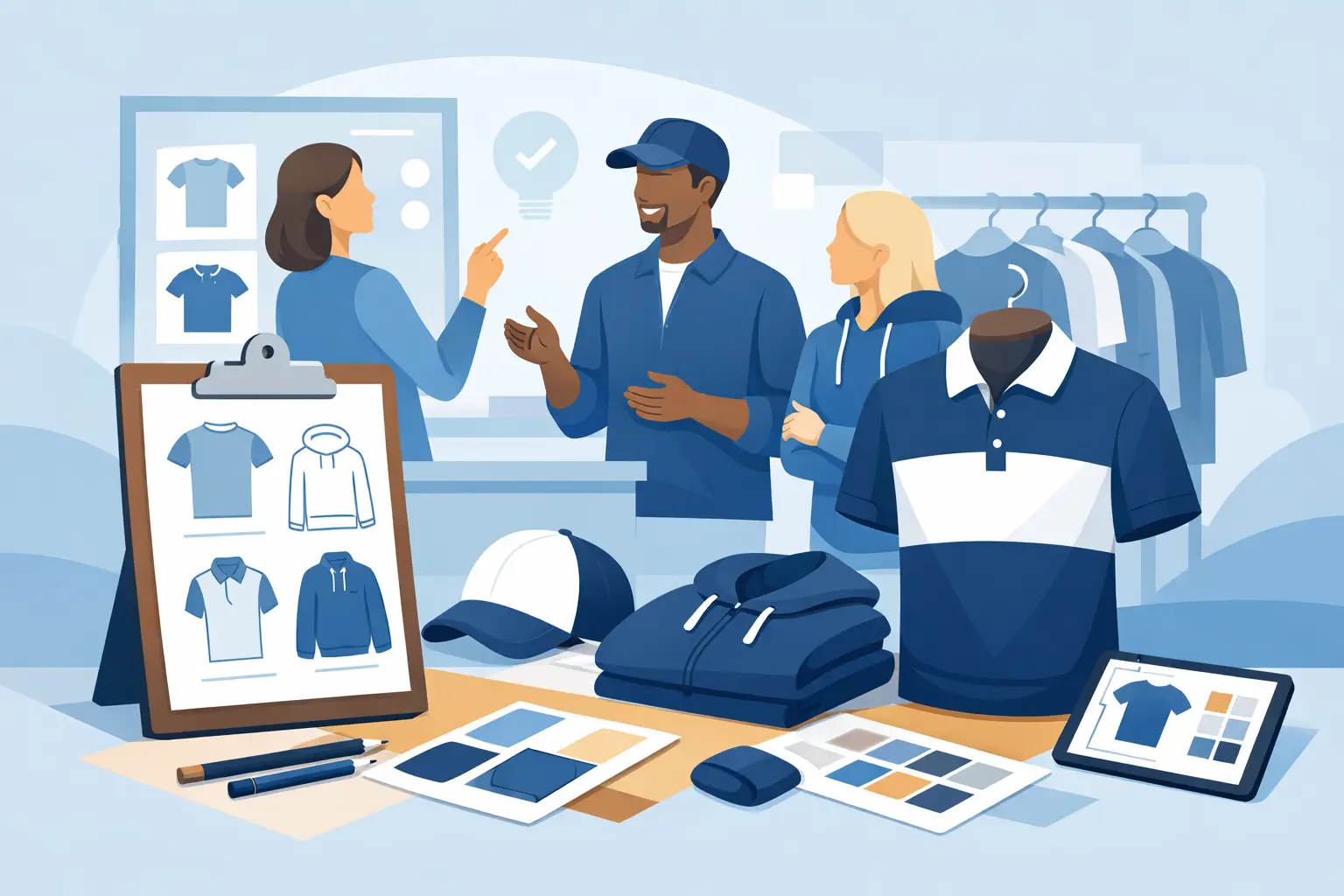
Before choosing a shirt color or uploading artwork, think about where the item will be worn. A restaurant team may need shirts that hold up through frequent washing. A landscaping crew may need moisture-wicking apparel and high-visibility colors. A boutique may want fashion-forward tees for resale. A nonprofit might need an affordable event shirt that still looks great in photos.
Those details guide the garment and decoration choice. A dark garment may make a colorful design stand out, while a light garment can feel cooler for outdoor events. Polyester performance shirts are a strong option for active teams, while ring-spun cotton tees offer a softer retail feel. The same logo can look very different depending on the fabric, fit, and shirt color behind it.
It also helps to plan for consistency. If staff members will reorder later, choose a garment style that is likely to remain available and use a logo placement that works across sizes. A front-left chest logo, for example, is familiar and professional on many types of apparel. For a bolder statement, a full back design can reinforce your brand at community events and job sites.
Preparing Artwork Without the Stress
You do not need to be a designer to begin a custom order. A clear logo file is helpful, but even a photo of existing apparel, a business card, or a design idea can start the conversation. The most important thing is sharing the clearest version of your artwork available and explaining what you want the finished item to accomplish.
For the sharpest DTF result, high-resolution artwork is best. Blurry images, tiny screenshots, and compressed social media graphics can lose detail when enlarged. If you have an original logo file, send it. If not, ask for guidance before placing the order. It is much easier to address artwork concerns before production than after shirts have been printed.
Color matters as well. A logo that looks great on a white website background may need a white outline, a different text color, or a small adjustment to stand out on a black hoodie. Reviewing a proof gives you a chance to confirm spelling, placement, sizing, and color direction before the work begins.
Small Details That Create a Better Finished Product
A few practical choices can make custom apparel look more intentional. Keep small text large enough to read from a normal distance. Avoid placing a detailed design too close to seams, zippers, pockets, or the edge of a garment. If a logo has many tiny elements, consider a simplified version for a left-chest placement and save the full artwork for the back.
Care instructions are simple but worthwhile: wash garments inside out in cold water, use a mild detergent, and avoid high heat when drying. Do not iron directly over the printed area. Following those steps helps preserve the color and finish through regular wear and washing.
For businesses, ordering a few extra pieces can prevent a future scramble when a new employee starts or a popular size is needed. For events, confirm your size breakdown early. The right mix of adult and youth sizes often matters more than adding a few extra shirts in one common size.
Bring Your Logo and Your Idea Together
A custom apparel order should not feel like a production puzzle. You should be able to share your logo, explain who the items are for, choose a garment direction, and get clear guidance on the decoration method that fits your project.
Busy Bee Stitches helps customers turn those details into coordinated apparel for businesses, schools, teams, events, and families. Whether you need one personalized item or a complete branded order, the focus stays on creating a finished product that represents your people well.
If you are considering DTF, start with the purpose behind the order. A clear goal, a usable logo, and a garment chosen for the way it will be worn will take your project much further than chasing the newest printing option. The best shirt is the one your team, customers, or community will reach for again and again.
Latest Post