Blog
Custom Apparel That People Want to Wear

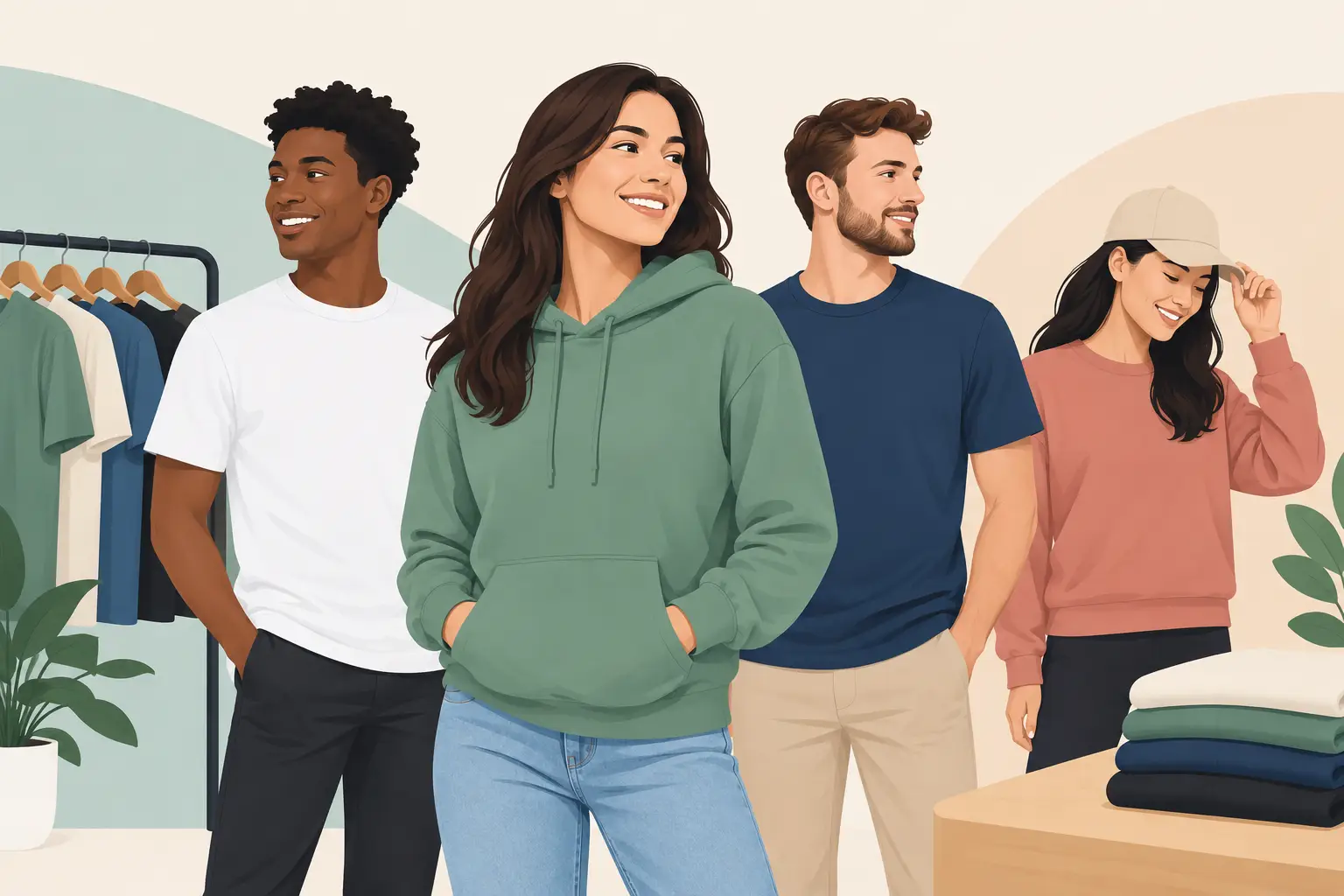
A shirt with your logo is easy to order. Custom apparel people reach for on Monday morning, wear proudly at an event, or keep long after a family gathering takes a little more thought. The difference usually comes down to choosing the right garment, the right decoration method, and a design that makes sense for the people wearing it.
For a business, school, team, or family, apparel is more than an item on a table. It helps people recognize your group, creates a sense of belonging, and gives your message a place to go beyond a screen. The best projects feel intentional without feeling overcomplicated.
Start With the Reason for the Order
Before picking shirt colors or uploading artwork, think about where the apparel will be worn and who will wear it. A polo for a customer-facing employee has different needs than a reunion T-shirt. A jacket for a team may need a different look than a volunteer shirt for a one-day fundraiser.
Business owners often want a consistent, professional appearance across staff members. Schools and teams may be focused on spirit, easy identification, or a design families will want to purchase. Event organizers may need apparel that makes volunteers visible while also creating a memorable keepsake. For a personalized gift, the goal can be as simple as making one person feel seen.
That purpose guides the rest of the decision. It can also prevent a common ordering mistake: selecting a product first and trying to force the project into it later.
Choose Garments People Can Actually Use
The garment is the foundation of the project. A great logo cannot make up for a style that does not fit the setting or the people receiving it. Consider the season, the activity, the desired level of polish, and whether the order needs a broad range of sizes.
T-shirts are a natural fit for casual teams, school events, family trips, fundraisers, and graphic designs. Polos can create a more uniform look for office staff, service teams, and organizations that meet with the public. Hats offer an easy, practical way to carry a logo, while jackets and outerwear can make sense for teams, employee recognition, or cooler-weather work.
Color deserves the same attention as garment style. Your brand colors may look great on a website but need adjustment when placed on a dark, bright, or textured item. Contrast helps a logo read clearly from a few steps away. If the garment color is doing most of the visual work, a simpler logo placement can often look more polished than a large, crowded design.
When ordering for a group, it is also helpful to decide whether everyone needs the exact same item. Sometimes they do. Other times, a coordinated approach works better, such as matching logo placement across T-shirts, polos, and hats. That gives people options while keeping the group visually connected.
Match Custom Apparel to the Design
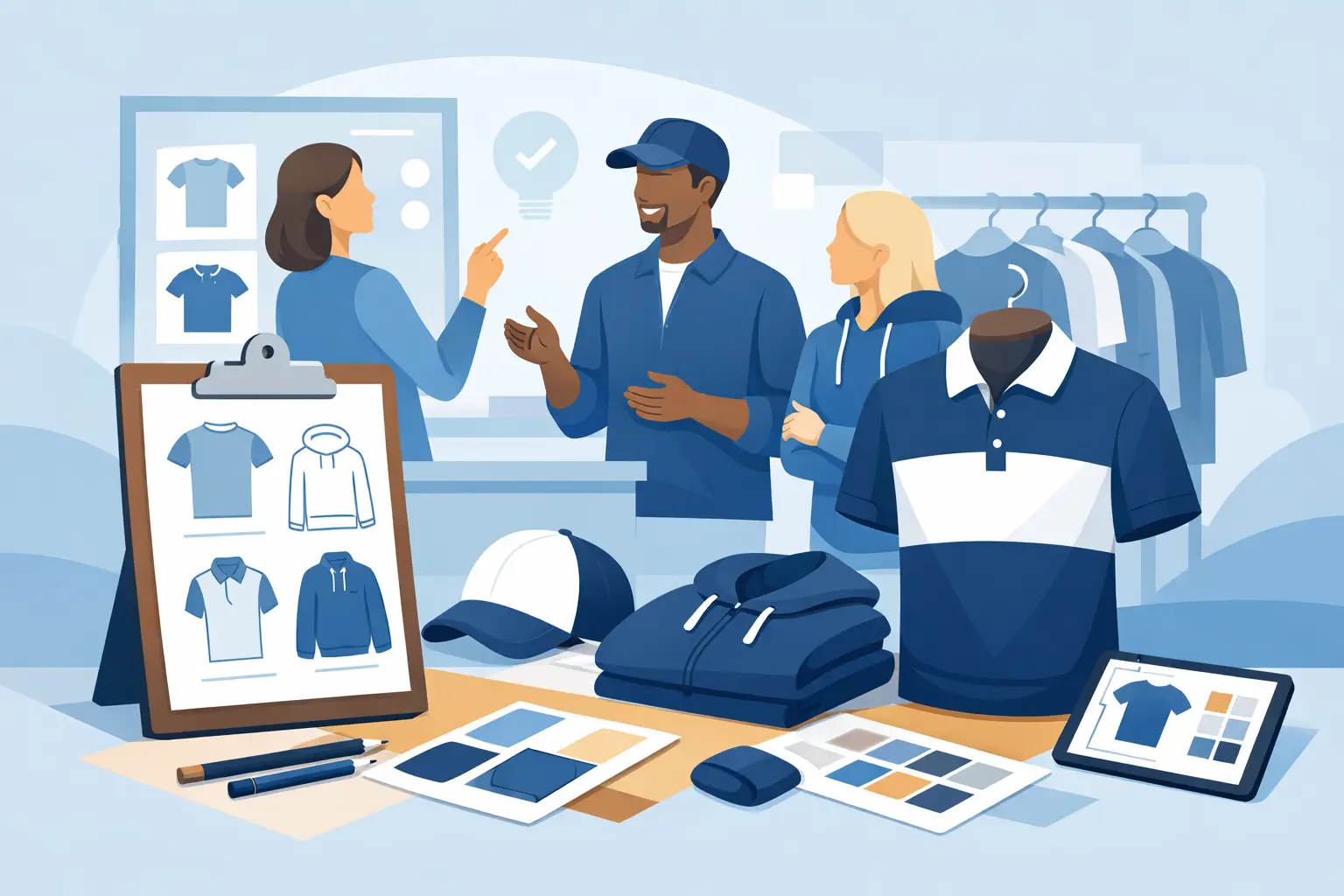
There is no single best decoration method for every project. The right option depends on the artwork, garment, quantity, placement, and finished look you have in mind. You do not need to know all the production terminology before reaching out. A clear idea of the project is enough to start a productive conversation.
Embroidery is a popular choice for logos on polos, hats, jackets, and uniforms. It offers a classic, professional appearance that works especially well for designs with clear shapes and readable lettering. A very detailed logo or tiny text may need to be simplified or adjusted so the finished result remains easy to recognize.
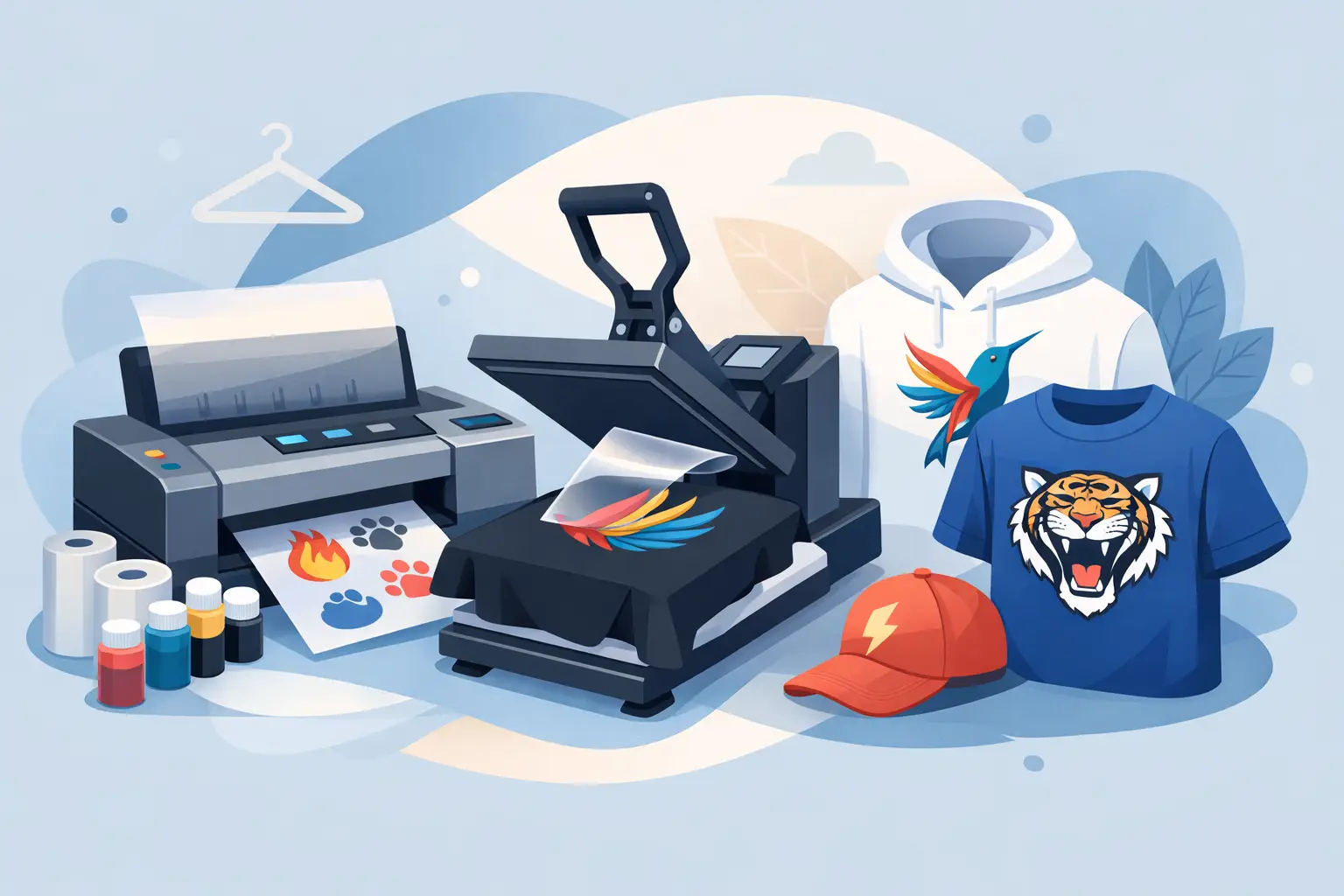
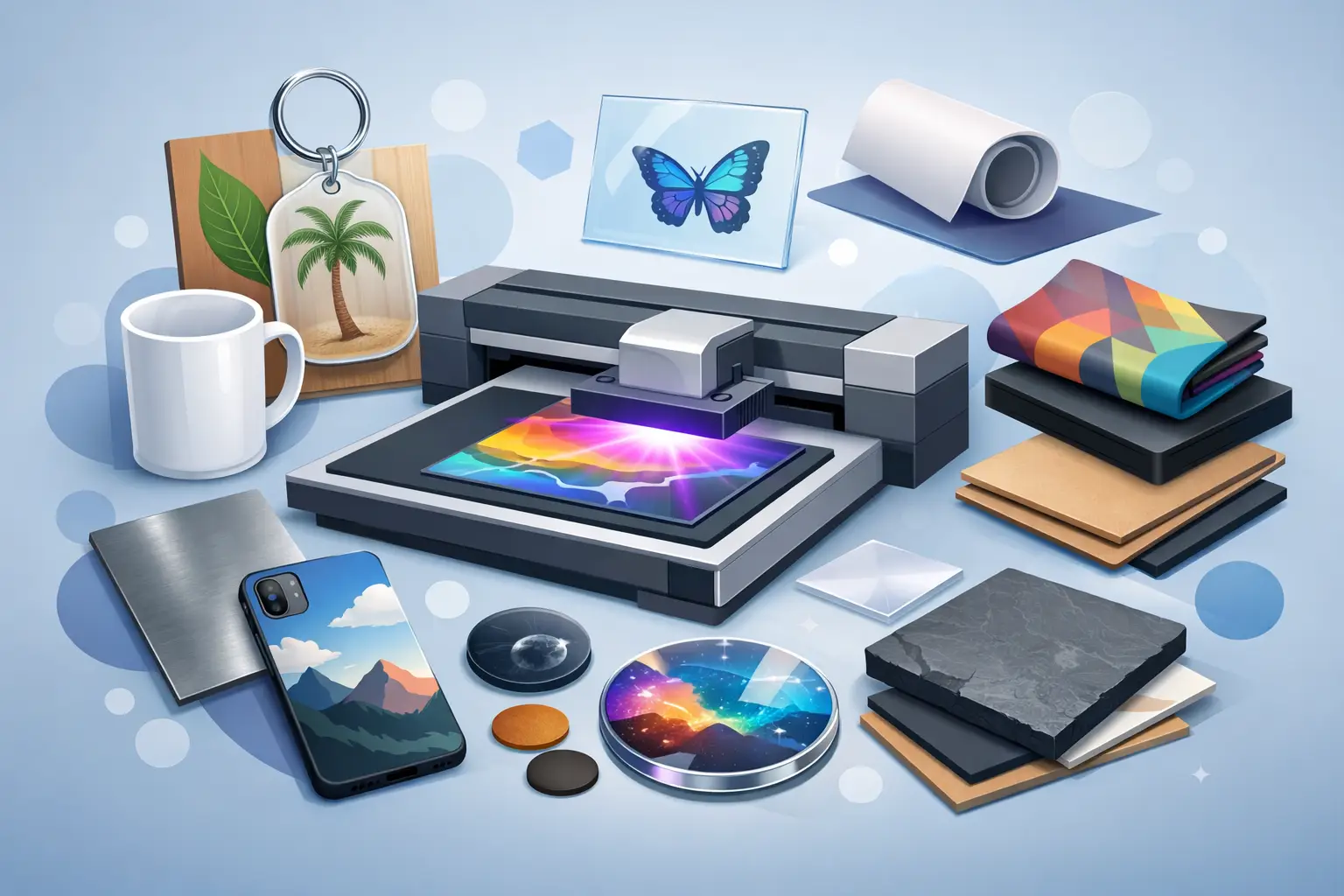
Screen printing is often a practical choice for larger orders, team shirts, school apparel, and event designs. It works well when a design will be repeated across many garments. DTF printing can be a helpful option for detailed, full-color artwork on apparel, especially when the design includes color variation or a more illustrative look. UV printing is suited to certain hard goods, while laser engraving can add a personal, lasting touch to plaques, signs, gifts, and keepsakes.
The important part is not choosing a method based on a trend or a single photo online. It is choosing the method that supports your artwork and the way the item will be used. A hands-on production partner can help you compare options before the order moves forward.
Keep the Artwork Clear
A design does not have to be elaborate to make an impact. In fact, apparel often looks strongest when it has one clear focal point. That might be a company logo on the left chest, a team name across the front, a reunion graphic on the back, or a personal message on a gift.
Try to avoid making every available space compete for attention. A front logo, large back graphic, sleeve detail, and multiple lines of small text can work for the right project, but only when each element has a purpose. If someone needs to read the message quickly at an event or from across a room, larger type and fewer details are usually more effective.
If you have a logo, send the best version available. If you only have an idea, sketch, photo, or inspiration image, that can still be a useful starting point. Sharing the intended garment color, estimated quantity, and desired use helps turn that starting point into a plan.
Plan for the Order, Not Just the Item
Custom projects go more smoothly when the practical details are decided early. For group orders, collect sizes before production whenever possible. Confirm who is approving the design, whether names or numbers are needed, and whether the project has separate items for adults, youth, staff, or volunteers.
For businesses, consistency matters. Decide how your logo should appear across uniforms, event shirts, hats, and promotional pieces. A simple set of preferences for logo placement, garment colors, and approved artwork can save time when new employees join or when another event comes around.
For schools and organizations, think about distribution. Are shirts being sold, handed out to participants, or included with registration? Does one person need to gather orders, or will individuals order on their own? These questions affect the best ordering approach and help keep the process organized.
A few details are especially useful to have ready before requesting a quote:
- The type of item you want, such as shirts, polos, hats, jackets, mugs, or keepsakes
- An estimated quantity and size range, if applicable
- Your logo, artwork, or a description of the idea
- The colors, placements, and personalization details you are considering
- Any event date or distribution plan that should be part of the conversation
You do not need every answer before asking for help. But the more context you share, the easier it is to recommend options that fit the project instead of simply offering a generic product.
Think Beyond the First Wear
The most effective custom apparel has a life after the event. A well-designed staff polo becomes part of a professional routine. A team hoodie becomes the one someone wears to practice. A family shirt becomes a photo-day favorite. A personalized item can become a reminder of a birthday, graduation, milestone, or loved one.
That is why it helps to ask one simple question before approving the design: would someone choose to wear or use this again? If the answer is yes, you are likely making choices that balance identity, comfort, and visual appeal.
For organizations, repeat wear also extends the value of the project. Every time a staff member wears a branded item in the community, it reinforces recognition. Every time a supporter wears a team or school design, it gives others a chance to ask about it. The goal is not to turn every shirt into an advertisement. It is to create something people are genuinely happy to have.
Bring the Idea Into Focus
You do not have to arrive with a finished design file and a complete production plan. A logo, a rough concept, an event name, or even a simple question is enough to begin. Busy Bee Stitches helps customers move from idea to finished item with guidance on apparel, decoration, personalization, and ordering details.
Whether you are outfitting a small staff, planning school spirit wear, preparing for a community event, or creating a meaningful one-of-a-kind gift, start with the people who will receive it. When the item fits their day, their role, or their memory, it becomes more than custom apparel. It becomes something worth keeping.
Latest Post