Blog
What Is DTF Printing for Custom Apparel?

A full-color design with tiny lettering, a photo-like image, or several colors can make choosing a decoration method feel more complicated than it needs to be. If you have been asking, what is DTF, the simple answer is that it is a way to add detailed, full-color artwork to apparel using a prepared transfer. For a business logo, team shirt, family event design, or personalized gift, DTF can be a practical option when the artwork has more detail than a basic one-color print.
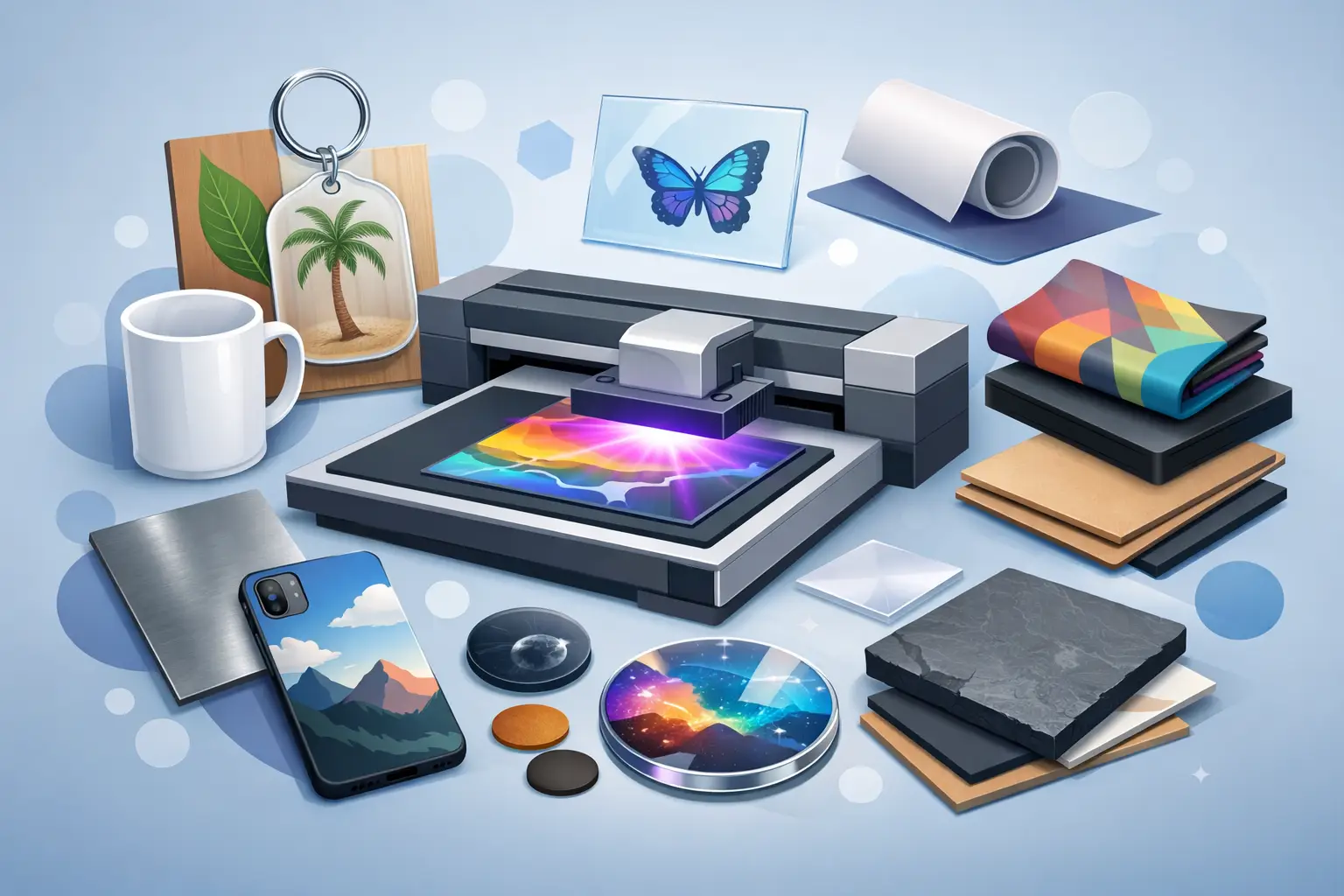
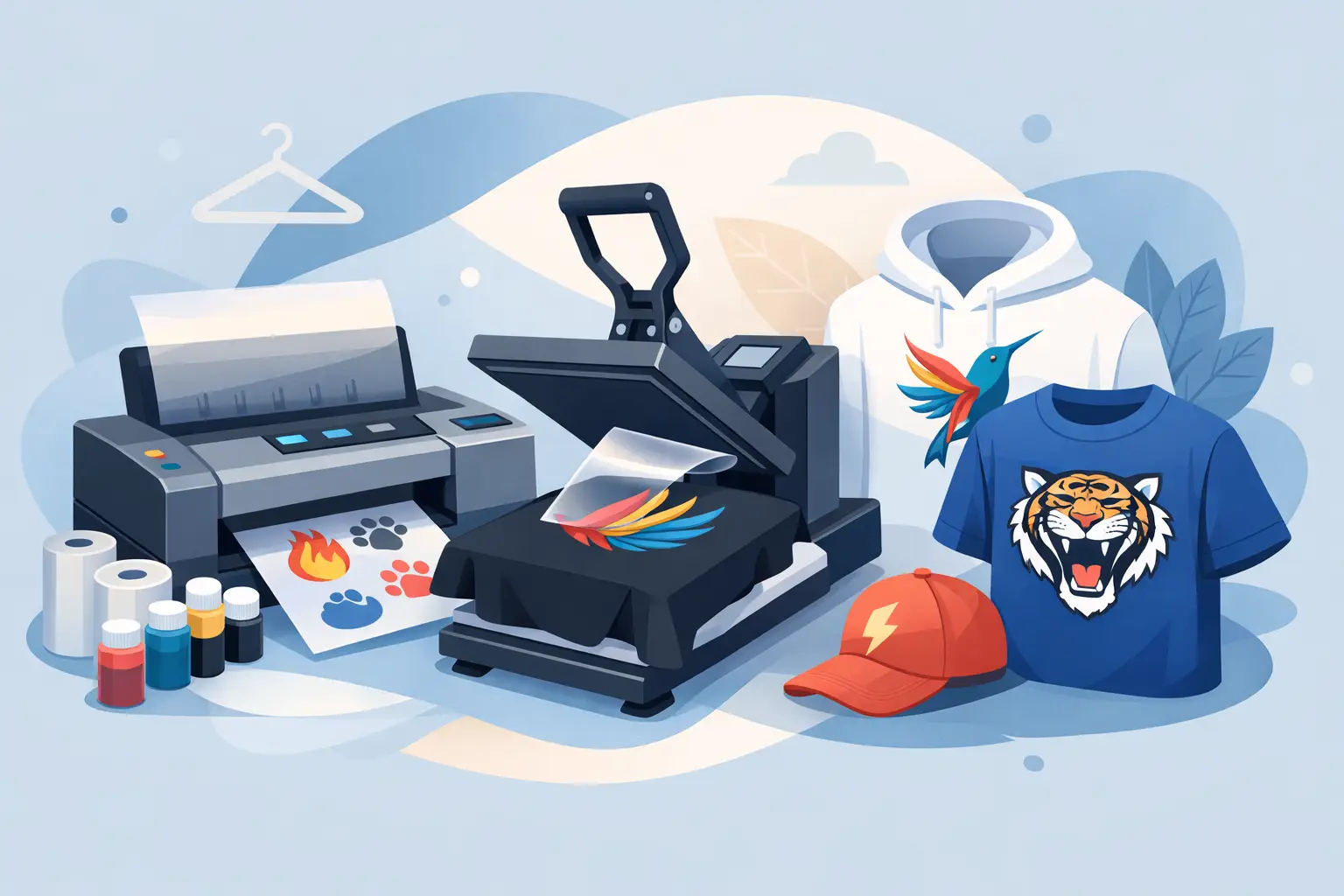
DTF stands for direct-to-film. The design is printed onto a special film, prepared with an adhesive powder, and then applied to the finished item with heat. Rather than printing ink directly onto the shirt itself, the image is created first as a transfer and then pressed onto the garment.
That process may sound technical, but the customer experience should be straightforward: share your logo, artwork, or idea, choose the item you want decorated, and get guidance on the method that best fits the project.
What Is DTF and How Does It Work?
DTF printing begins with a digital design. The artwork is printed onto a transfer film, including a white ink layer when needed to help color show on darker garments. Adhesive powder is applied to the printed design, then the transfer is cured so it is ready to use.
When it is time to decorate the shirt, sweatshirt, tote, or other compatible item, the transfer is positioned and pressed with heat. The film is removed according to the transfer’s application instructions, leaving the design on the item.
The result is a full-color graphic that can reproduce fine lines, color blends, and small details that may be difficult to achieve with some other decoration methods. This makes DTF especially useful when your artwork is the main focus of the product, such as a colorful event graphic, a detailed business logo, or a custom birthday shirt.
The best method still depends on the project. A simple design ordered in larger quantities may be better suited to screen printing. A polo or work jacket that needs a polished logo placement may be a strong candidate for embroidery. DTF gives customers another useful option between those approaches, particularly for detailed art and flexible order needs.
When DTF Printing Makes Sense
DTF is often a good fit when color and artwork detail matter. A school club may need a design with several colors and a mascot illustration. A small business may have a logo that includes fine lettering, shading, or multiple color changes. A family reunion may want individual shirts with a meaningful graphic without simplifying the design down to one or two colors.
It can also be helpful for projects that do not fit neatly into a large-volume order. Not every custom idea needs hundreds of shirts. Sometimes you need a small run for a fundraiser committee, staff appreciation gifts, a birthday weekend, or a few pieces of logo apparel for a growing business. The right production choice is based on the item, the design, the quantity, and the look you want to achieve – not on a one-size-fits-all rule.
DTF is commonly considered for apparel graphics on T-shirts, sweatshirts, and similar fabric items. Before ordering, it is wise to confirm that your selected garment and artwork are a good match for the decoration method. Fabric type, garment color, print location, and the amount of detail in the design can all affect the recommendation.
What DTF Looks Like on a Shirt
A DTF design typically has a smooth, printed graphic appearance rather than the stitched texture of embroidery. The image sits on the fabric where it is applied, so it works well for artwork that needs to retain its shape, color, and detail.
This is a meaningful difference when choosing custom apparel. Embroidery creates a dimensional, thread-based finish that many businesses prefer for polos, hats, jackets, and uniforms. Screen printing applies ink directly to the garment and is often a smart choice for larger orders and simpler designs. DTF uses a heat-applied transfer, giving it a different finish and a different set of strengths.
None of these methods is automatically “better.” They serve different purposes. A bold one-color team shirt, a left-chest uniform logo, and a detailed full-front event design may all call for different decoration methods even when they are part of the same organization’s order.
Artwork That Works Well for DTF
Detailed logos, illustrations, multicolor graphics, and designs with gradients are natural candidates to discuss for DTF. It can help preserve visual elements that get lost when artwork is reduced to fewer colors or converted into stitches.
Still, a good print begins with good artwork. A clear file gives the production team more to work with and helps avoid surprises. If you have a vector logo, a high-resolution image, or an existing design file, provide it when requesting a quote. If all you have is a photo of an old shirt, a screenshot, or a rough idea, share that too. It may be enough to start a conversation about what is possible and what artwork preparation may be needed.
Small text deserves special attention. Just because a word appears readable on a phone screen does not mean it will be easy to read once printed at a small size. A hands-on production partner can help you choose an appropriate design size and placement so your logo or message is clear from the intended viewing distance.
Questions to Ask Before You Order
You do not need to know print terminology before starting a custom order. A few practical details will help guide the conversation: what item you want, how many you need, where the design should go, and whether you have finished artwork or need help shaping the idea.
It also helps to think about who will wear or receive the item. Staff apparel needs to look consistent and represent the business well. Sports and school apparel may need a bold design that reads easily from a distance. A personalized gift may call for a more detailed image, name, or sentimental message.
If you are choosing between DTF, screen printing, and embroidery, ask to compare the options for your specific project. The most useful recommendation will consider more than the graphic alone. It should also account for the garment, order quantity, desired finish, and how the item will be used.
For example, a landscaping company ordering work shirts may choose embroidery for a professional left-chest logo and use DTF for a detailed back graphic. An event organizer might choose DTF for colorful volunteer shirts, then add matching engraved keepsakes for sponsors or speakers. Combining services can help an organization create a coordinated look without forcing every item into the same decoration method.
Caring for DTF-Decorated Apparel
Follow the care instructions provided with your finished item. In general, turning decorated apparel inside out before washing can help reduce friction against the printed area. Use normal garment care appropriate for the fabric, and avoid treating the graphic as though it is bare fabric.
Care needs can vary by garment and transfer, so the instructions that come with your order should always take priority. If you are ordering apparel for a team, staff, or group, sharing those instructions can help everyone care for their items consistently.
Make the Method Fit the Project
DTF is not just a production term. It is a useful option for bringing colorful, detailed ideas to life on custom apparel without making the ordering process feel overwhelming. Whether you are preparing shirts for a local event, refreshing branded staff apparel, or creating a gift with a personal touch, the right starting point is a clear idea of what you want the finished piece to say.
At Busy Bee Stitches, that can start with a logo file, a sketch, a photo for inspiration, or simply a description of your group and what you need. A thoughtful conversation about the design and the item can turn a good idea into something people are proud to wear.
Latest Post