Blog
Uniform Sizing Guide for Teams and Workwear

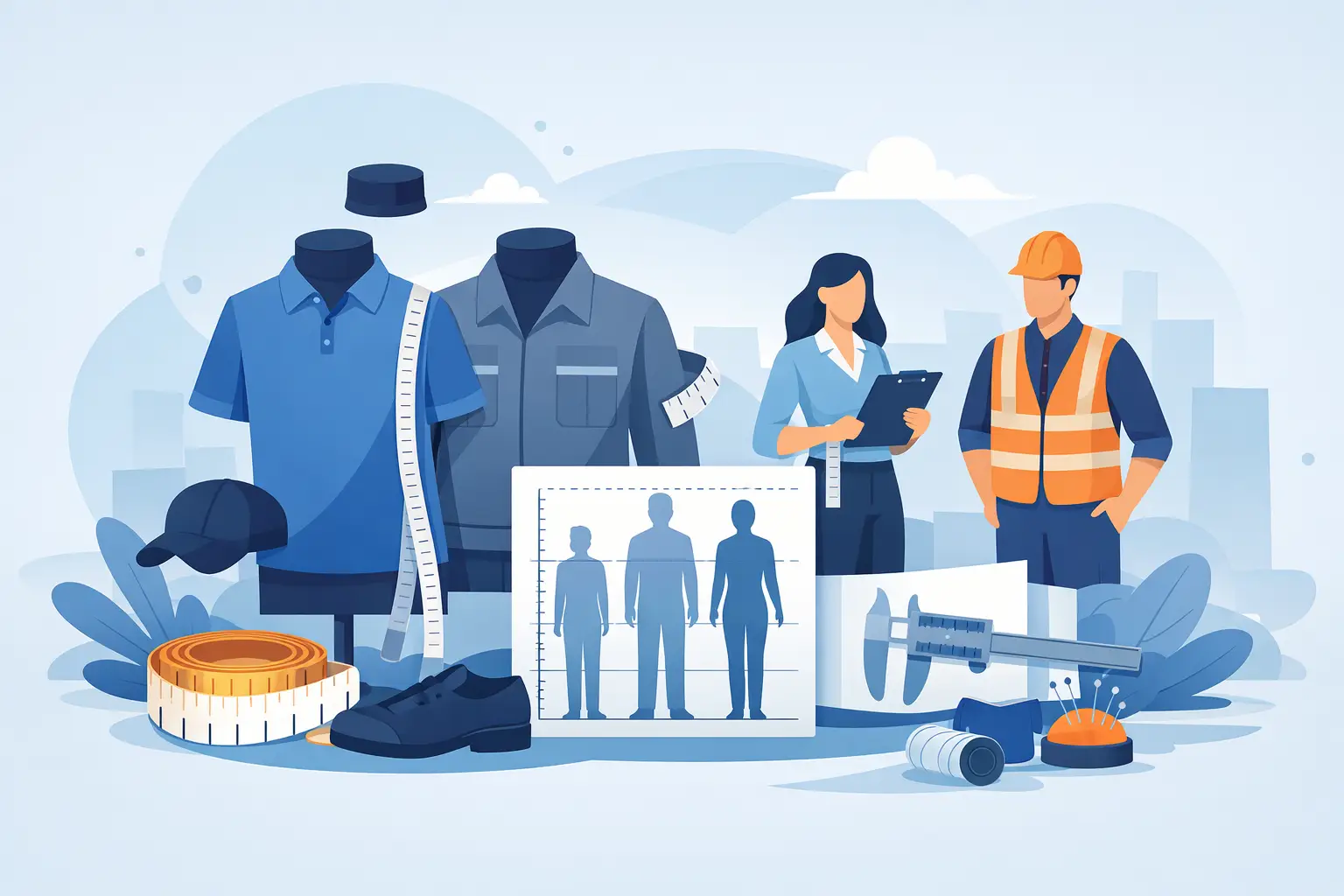
A uniform can carry your logo, team colors, and first impression all at once. But if the fit is off, even a great-looking design may spend more time in a closet than on the job, field, or event floor. This uniform sizing guide helps you make practical size decisions before placing a custom apparel order, whether you are ordering polos for a staff, shirts for a fundraiser, jackets for a team, or apparel for a school group.
Start With the Garment, Not the Size Label
A medium is not a universal measurement. One brand’s medium may fit close to the body, while another has a roomier cut. The same is true across garment types: a T-shirt, performance shirt, fleece, polo, and jacket can all fit differently even when the size label matches.
That is why the best starting point is the specific garment’s size chart. It tells you how that particular item is measured and gives your group a shared reference point. Rather than asking everyone to guess whether they are usually a large or extra-large, ask them to compare their measurements to the chart for the garment being ordered.
For organization-wide orders, this small step protects consistency. It also helps the person coordinating the order feel confident that the selected sizes reflect real information, not a collection of last-minute estimates.
How to Take Uniform Measurements
Most apparel size charts use chest or bust measurements, along with waist, hip, sleeve, or inseam measurements when relevant. A flexible measuring tape is helpful, but a non-stretch string and a ruler can work in a pinch. Measure over light clothing and keep the tape level without pulling it tight.
For tops, measure around the fullest part of the chest or bust. For pants and shorts, measure the natural waist where the garment will sit, then check hip and inseam measurements if they appear on the chart. For jackets, hoodies, and outer layers, think about what will be worn underneath. A jacket that fits perfectly over a thin shirt may feel too close over a polo or sweater.
There is an important distinction here: some charts show body measurements, while others show finished garment measurements. Body measurements help identify the intended size range. Finished garment measurements describe the item itself, often measured flat across the chest or body. When reviewing a flat garment measurement, compare it to a favorite item that already fits well rather than measuring around your body.
If someone falls between sizes, the right choice depends on the garment and how it will be used. A fitted shirt may call for sizing up for comfort. A relaxed unisex tee may already provide the extra room that person wants. For active teams or staff members who move, lift, bend, or layer during the day, comfort and range of motion deserve extra consideration.
Uniform Sizing Guide: Know the Fit Category
Before collecting sizes, make sure everyone understands the garment’s intended fit. The product name alone does not always tell the full story, so look for the cut and measurement details.
Unisex styles are commonly used for staff shirts, event apparel, and team orders because they offer a straightforward range of sizes. Still, unisex does not mean identical for every body type. Some people may prefer a different cut or a size adjustment based on how they like their clothing to fit.
Women’s cuts are often shaped differently through the shoulder, chest, waist, or hip. They can be a good choice when your group specifically wants that silhouette, but they should not be treated as a direct conversion from unisex sizing. Check the chart separately.
Youth sizing is its own category. Do not assume a youth large is the same as an adult small. Parents and coaches will get better results by using the youth garment chart and allowing room for normal movement. For growing children or apparel intended to be worn over another layer, a little extra room can be sensible.
Outerwear introduces another decision. Consider whether the item is meant as a light event layer, everyday workwear, or an occasional piece for cooler conditions. The more likely it is to be worn over other apparel, the more important it is to account for layering when choosing a size.
Make Size Collection Easy for Your Group
A clear sizing process makes a big difference, especially for schools, businesses, and teams with several people involved. Send the garment description, available size range, and size chart together. If color choices or garment options affect fit, keep those details with the form as well.
Give each person one simple instruction: choose your size using the chart for this exact item. It is also helpful to set a response deadline before production planning begins. This keeps the project moving and reduces the chance that the organizer has to make uncertain guesses for missing responses.
For a larger group, use a size roster that includes each person’s name, selected size, garment style, and any approved personalization details. Review the roster once before submitting it. A second check can catch duplicate names, missing sizes, or a youth size accidentally entered for an adult item.
If your organization plans to reorder uniforms regularly, keep the final roster on file. Staff changes and new team members will still need their own sizing review, but previous orders can provide a useful reference for the styles and size mix that worked well.
When a Sample Is Worth It
For a small order, a size chart and careful measurements may be all you need. For a larger staff order, a new uniform program, or a group with a wide range of fit needs, seeing a sample garment can be especially helpful.
A sample lets people feel the fabric, see the cut, and try the item over their usual work or activity clothing. It can also help decision-makers compare two garment options before committing to one style for the entire group. This is useful when choosing between a more structured polo, a casual tee, or a layering piece.
Not every project needs a full size run of samples. Sometimes one or two representative sizes can answer the biggest questions. What matters is identifying uncertainty early, before size selections are finalized.
Think About the Finished Uniform
Sizing is about more than the blank garment. Consider where the logo, name, number, or event design will appear and how the uniform will be worn. A left-chest logo on a polo, a full-front graphic on a shirt, or personalization on a jacket may influence which garment style feels right for your group’s purpose.
The decoration method and artwork should be chosen with the garment and project goals in mind. Embroidery, screen printing, DTF printing, and other customization options each suit different types of apparel and designs. Sharing your logo or design idea early gives your production partner a better picture of the finished look you want.
For uniforms that will be seen by customers, families, or the public, consistency matters. Matching garment style, color, logo placement, and sizing records creates a coordinated appearance without making every person feel forced into an uncomfortable fit.
Common Sizing Mistakes to Avoid
The most common mistake is relying only on the size someone bought years ago in a different brand. Another is assuming all shirts with the same size label fit alike. Both can lead to avoidable exchanges or apparel that does not get worn often.
It is also easy to overlook layers. A fitted quarter-zip chosen for a warm indoor event may not be the right size for an outdoor staff member who will wear it over a polo. Similarly, a volunteer event shirt may need a more relaxed fit than a presentation polo worn for a few hours at a time.
Avoid mixing size charts from similar-looking products. If your order includes two garment styles, each style needs its own chart. Finally, do not wait until the final order deadline to ask sizing questions. Early clarification gives you more options and a smoother ordering experience.
A Simple Check Before You Order
Before you approve the final roster, confirm four things: everyone used the chart for the exact garment, the size range covers every participant, youth and adult entries are clearly separated, and any personalization details are spelled correctly. These checks take only a few minutes, yet they can prevent the kind of errors that are difficult to spot once an order is underway.
If you are unsure between two sizes or garment styles, share that concern when requesting your custom order. A hands-on apparel partner can help you review the options, understand the fit information provided for the item, and choose a path that works for your group.
A well-sized uniform lets people focus on serving customers, supporting their team, celebrating an event, or representing an organization with pride. Bring your roster, logo, and ideas to Busy Bee Stitches, and start with the fit that helps everyone feel ready to wear it.
Latest Post