Blog
How to Create Event Merchandise That Gets Used


The best event merchandise does not feel like an afterthought handed out near the exit. It becomes part of the experience: the shirt people wear the next weekend, the engraved keepsake that marks a milestone, or the useful item that keeps your organization top of mind. Learning how to create event merchandise starts with one simple question: what should attendees remember when the event is over?
Whether you are planning a school fundraiser, company celebration, family reunion, tournament, conference, or community gathering, the right merchandise can build excitement before the day arrives and extend its impact afterward. The goal is not to put a logo on every possible item. It is to create something people are glad to receive, purchase, and use.
Start With the Event’s Purpose
Before choosing shirts, hats, drinkware, or giveaways, get clear on what the merchandise needs to do. A charity 5K may need participant shirts that create a united look and help supporters recognize one another. A business open house may benefit from practical branded pieces guests can take back to the office. A family reunion may call for a more personal design that becomes a keepsake.
Your audience should guide the decision. Think about who is attending, what they are likely to use, and whether the item is included with registration, sold as a fundraiser, given to volunteers, or reserved for sponsors and VIP guests. Those details affect the product, decoration method, quantity, and budget.
It also helps to decide what success looks like. If your priority is visibility during the event, coordinated apparel can make a big impression. If you want guests to remember the occasion months later, a personalized gift or engraved item may be the better fit. Sometimes a mix works best, such as event shirts for attendees and embroidered polos or hats for staff.
Choose Merchandise People Actually Want
A useful product is usually a better choice than a novelty item. That does not mean every event needs the same merchandise. It means the item should match the setting and the people receiving it.
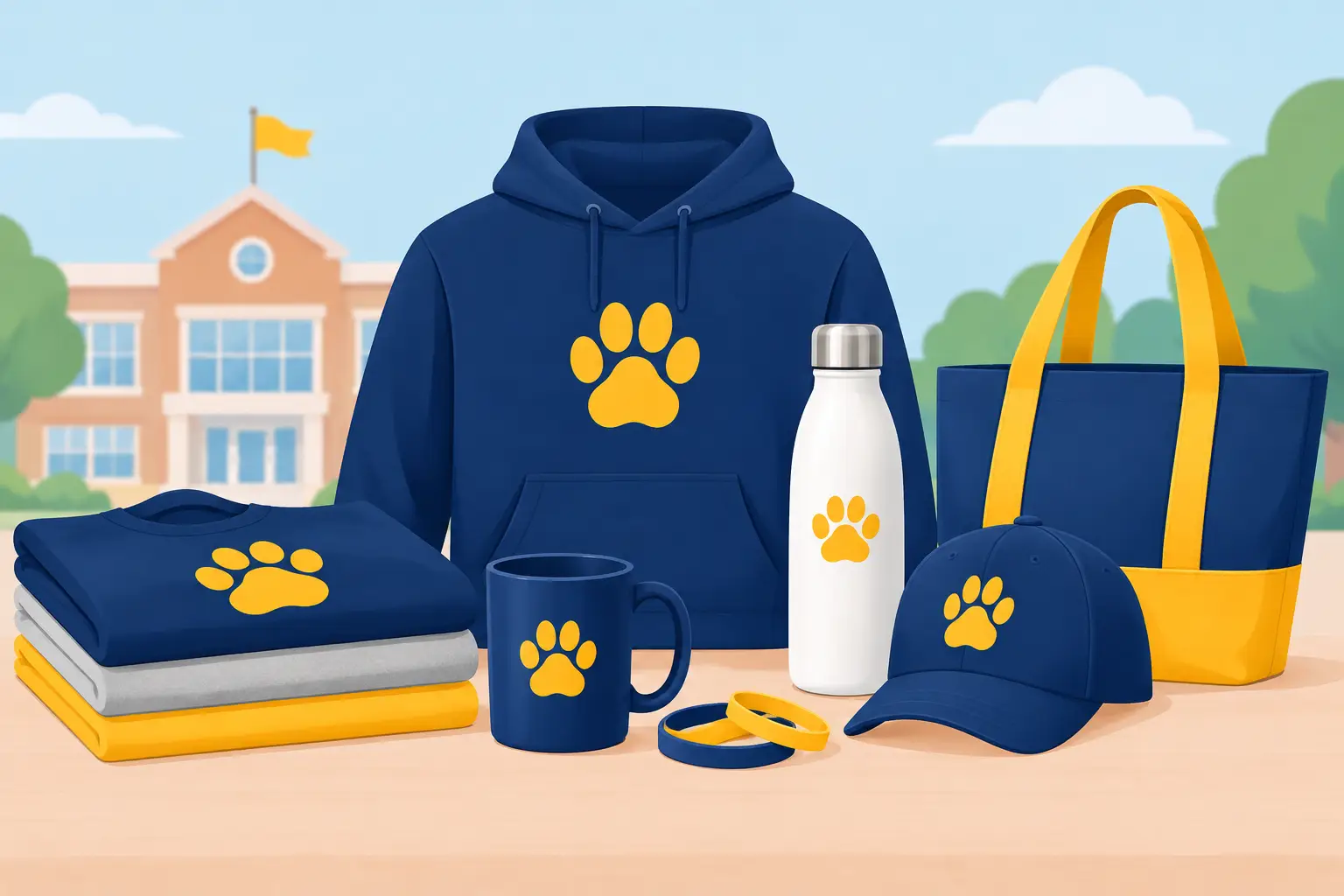
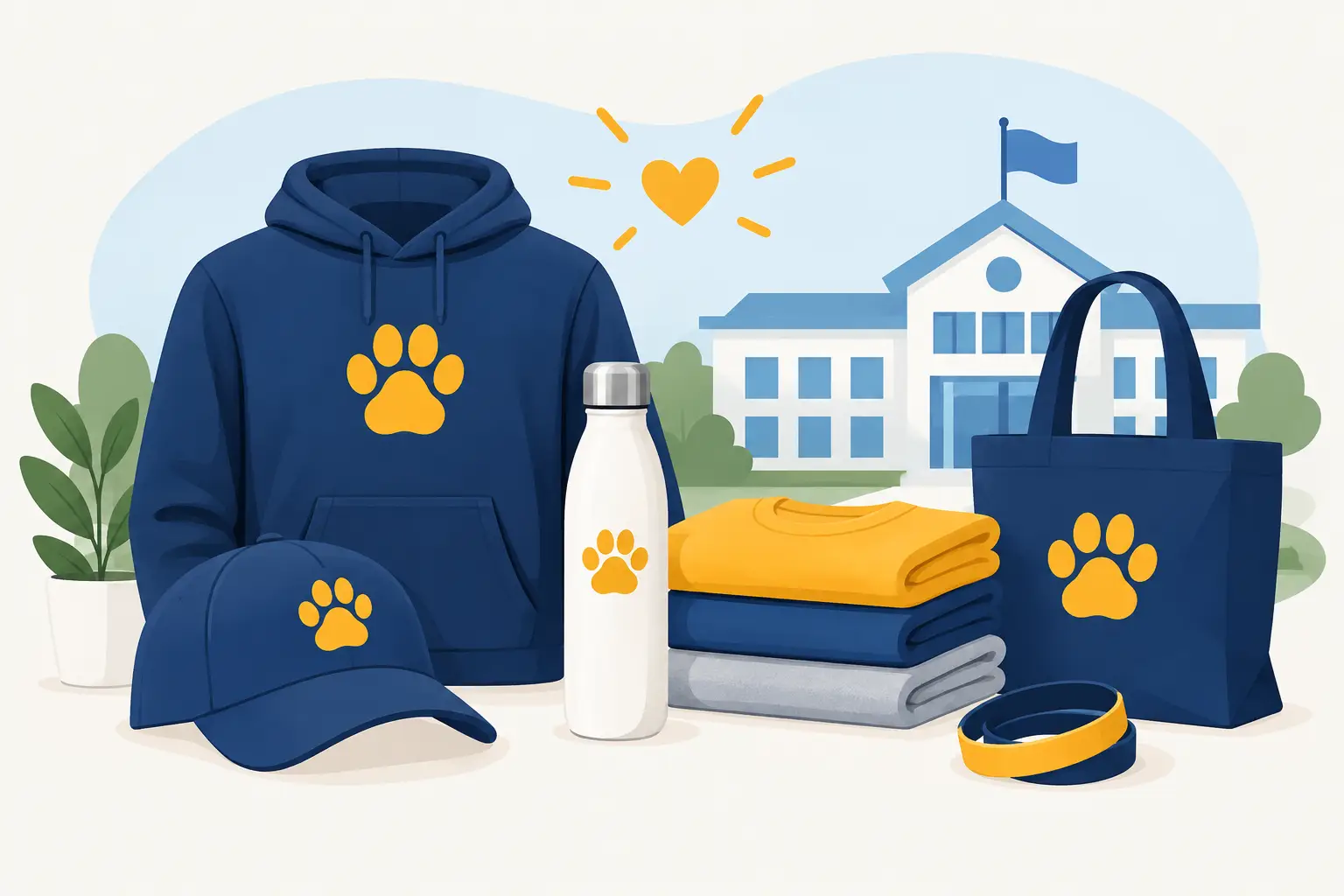
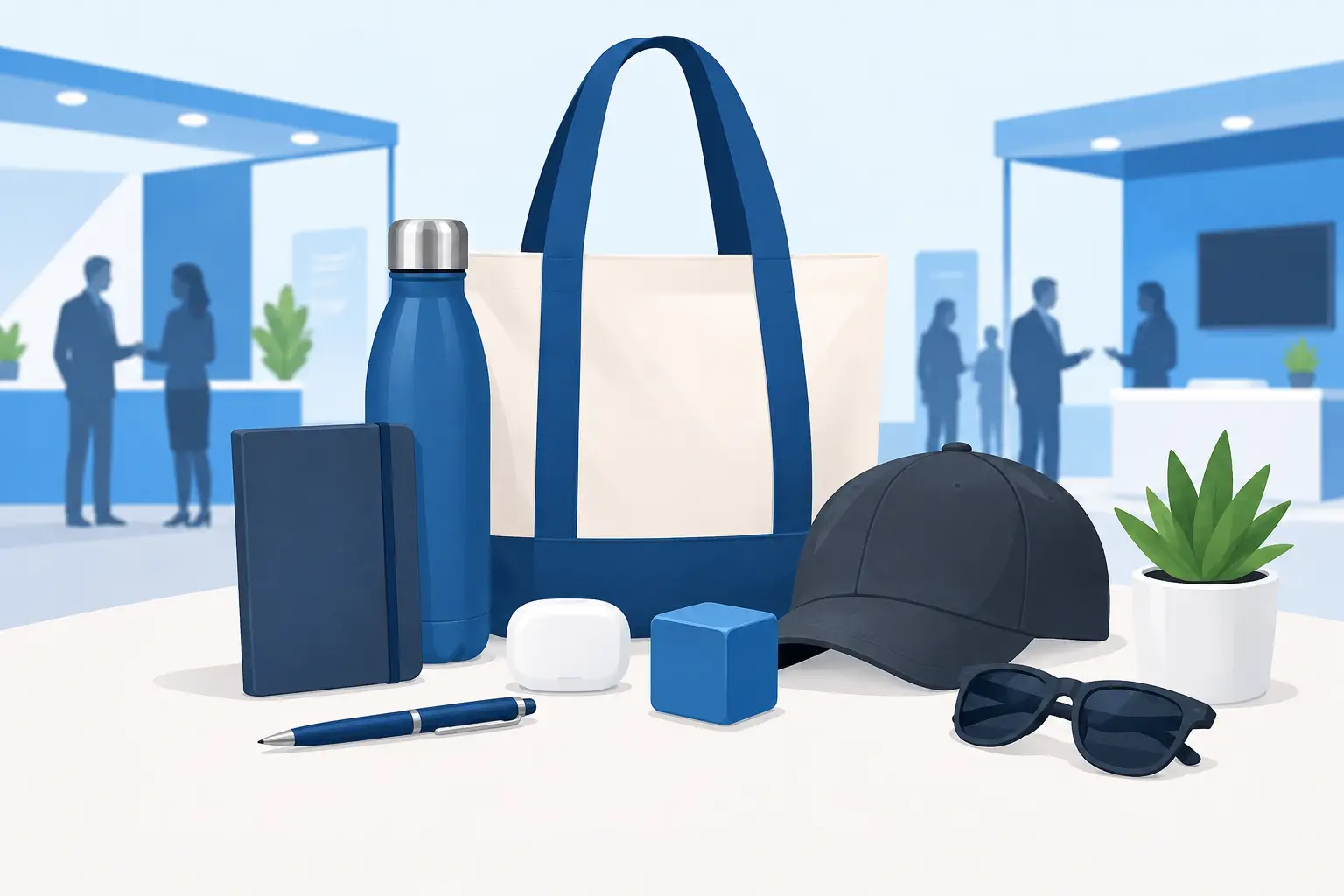
For active events, T-shirts, sweatshirts, caps, and team apparel are natural options. For professional gatherings, branded polos, jackets, mugs, and hard goods can feel appropriate and practical. For weddings, reunions, anniversaries, and holiday gatherings, personalized shirts, keepsakes, and engraved gifts can make the event feel more meaningful.
Consider the event calendar, too. Lightweight shirts may make sense for a summer festival, while jackets, hoodies, or beanies may be more useful for a fall outdoor event. If attendees will be traveling, choose items that are easy to pack and carry. If children are involved, make sure your size plan includes youth options.
When you are deciding between one higher-value item and several smaller giveaways, it depends on your goal. A single well-designed shirt can create a stronger connection than a handful of items that never leave a drawer. On the other hand, a small branded takeaway can be a smart addition for a high-traffic open house where guests may not stay long.
Build a Design That Works Beyond the Event
Event artwork has a job to do quickly. Someone should be able to understand the event name, theme, or organization without studying the design from across the room. Keep the main message clear, then add supporting details such as a date, location, team name, sponsor recognition, or commemorative phrase where they add value.
A crowded design can look great on a screen but become difficult to read when printed or embroidered on an actual product. Small text, too many colors, and tiny details often need to be simplified. This is especially true for hats, left-chest logos, and smaller promotional pieces.
Start with the essentials: the event name, your approved logo if applicable, and the message you want attendees to carry forward. Then think about placement. A bold front design may work well for a fun run shirt. A smaller left-chest logo with a larger back design can be a better choice for volunteer apparel. For a professional event, a clean embroidered logo on a polo or jacket may offer the polished look you need.
Use artwork you own or have permission to use. If you only have a rough idea, a phone photo, existing logo, sketch, or inspiration can still be a helpful starting point when discussing your project with a custom merchandise partner.
Match the Decoration Method to the Design
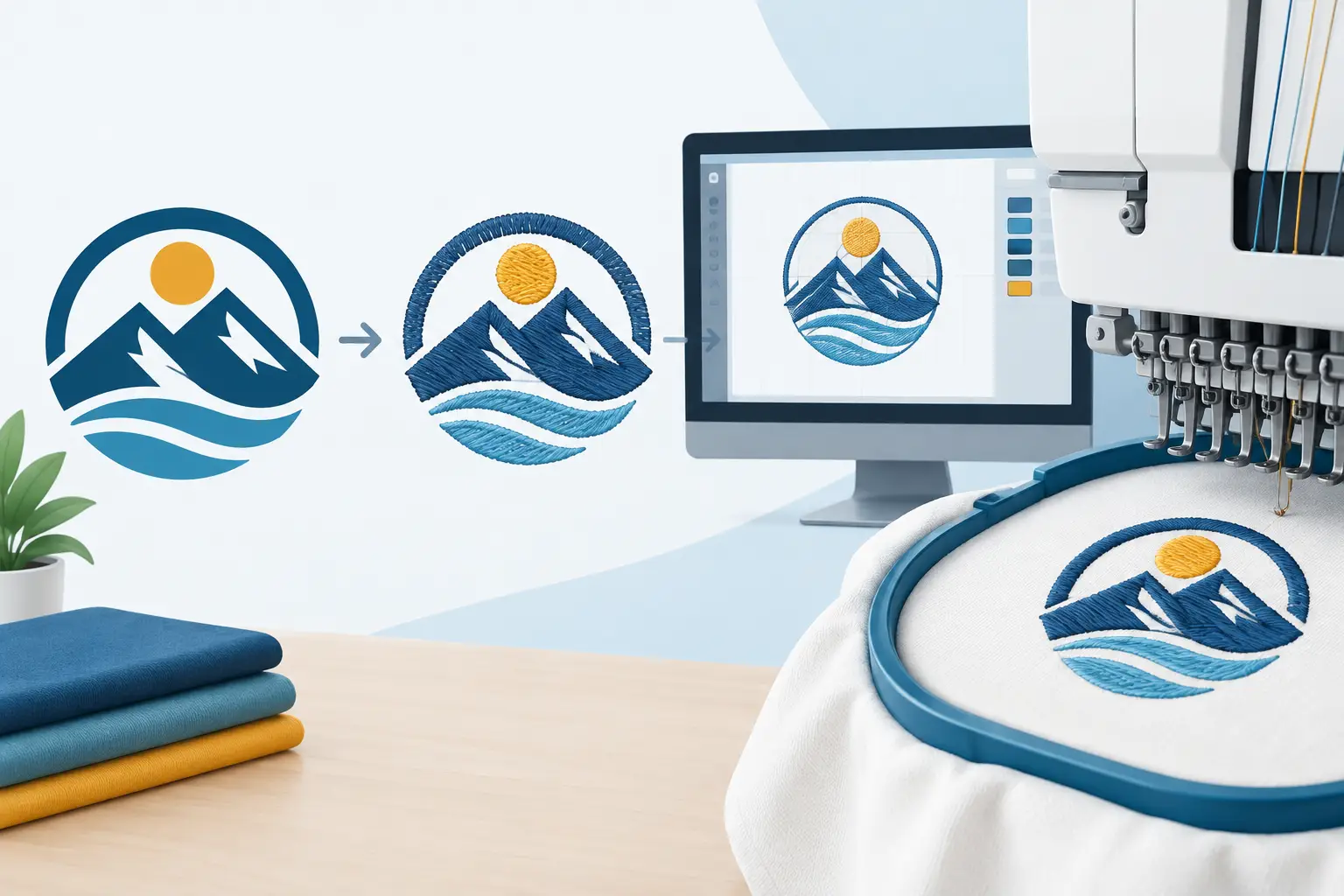
The best production method depends on the item, artwork, quantity, and finish you want. Screen printing is often a strong fit for bulk apparel orders with a clear event design. DTF printing can be useful for detailed, full-color graphics on apparel. Embroidery gives polos, hats, jackets, and uniforms a classic professional appearance. UV printing and laser engraving can add personalization or branding to select hard goods, signs, plaques, and keepsakes.
You do not need to know the technical terms before you ask for help. Share what you are trying to create, how many pieces you need, and when the event takes place. A production team can help you choose an approach that fits the project rather than forcing your idea into the wrong product.
Plan Quantities Before You Place the Order
Sizing and quantities are where a good event plan becomes a smooth order. If merchandise is included with registration, collect sizes early whenever possible. This is more accurate than guessing, particularly for team apparel, employee shirts, or reunion orders.
For events with walk-up attendance, a size run is often necessary. The right mix varies by audience, so use past registration information or attendance patterns if you have them. Avoid ordering only common sizes if your group includes youth participants, extended sizes, or a wide range of ages.
Think through extras with purpose. A few additional shirts can help with late registrations, volunteers, or last-minute changes. Too many extras, however, can leave you with inventory that does not match future needs. If the design includes a specific year or date, leftover stock may be harder to use later.
If you plan to sell merchandise, decide whether pre-orders make sense. Pre-orders can help you gauge demand, collect sizes, and reduce uncertainty. They are especially helpful for school spirit wear, family events, and limited-edition commemorative apparel. For larger gatherings, you might combine pre-orders with a small amount of event-day stock.
Give Production Enough Room
Event merchandise is tied to a fixed date, which means planning matters. Artwork approvals, item selection, size collection, and production all take time. The earlier you begin, the more options you are likely to have for reviewing your design and organizing your order without unnecessary pressure.
Build your schedule backward from the event date. Include time for gathering logos, confirming quantities, approving the artwork, and receiving or picking up the finished items. Do not forget distribution. Shirts may need to be sorted by participant, packed for team captains, or set aside for sponsors and volunteers.
For organizers in Frankfort and nearby communities, local pickup can make event-day logistics simpler. For events with attendees, staff, or chapters in different places, nationwide shipping can also be part of the plan. The important thing is to discuss delivery needs early, especially when merchandise must reach multiple groups.
Make Distribution Part of the Experience
The handoff matters more than many organizers expect. A neat check-in table, clearly labeled sizes, and a simple pickup process make merchandise feel organized and valuable. If shirts are included with registration, consider distributing them at packet pickup or check-in so attendees can wear them during the event.
For staff and volunteer apparel, distribute items before the event whenever possible. That gives your team time to confirm fit and arrive looking coordinated. For merchandise sales, display one sample of each item and size information clearly. If you are offering personalized pieces, be clear about what can be customized and when those items will be ready.
A small presentation detail can create a stronger impression. Folded shirts, labeled bags, engraved keepsakes in simple packaging, or sponsor items grouped together all show guests that care went into the experience.
Get Help Early, Especially for Complex Orders
You do not have to build an event merchandise plan alone. Busy Bee Stitches can help turn an event logo, a rough design idea, or an existing piece of artwork into coordinated apparel, branded merchandise, and personalized items. The more context you share upfront, the easier it is to recommend products that suit your event and audience.
Bring the event date, estimated quantity, item ideas, artwork, and any details about sizes or distribution. If you are still deciding, start with the purpose and the feeling you want guests to take home. The right merchandise gives people one more reason to remember the day, the people behind it, and the community that made it happen.
Latest Post