Blog
DTF Printing Comparison for Custom Apparel

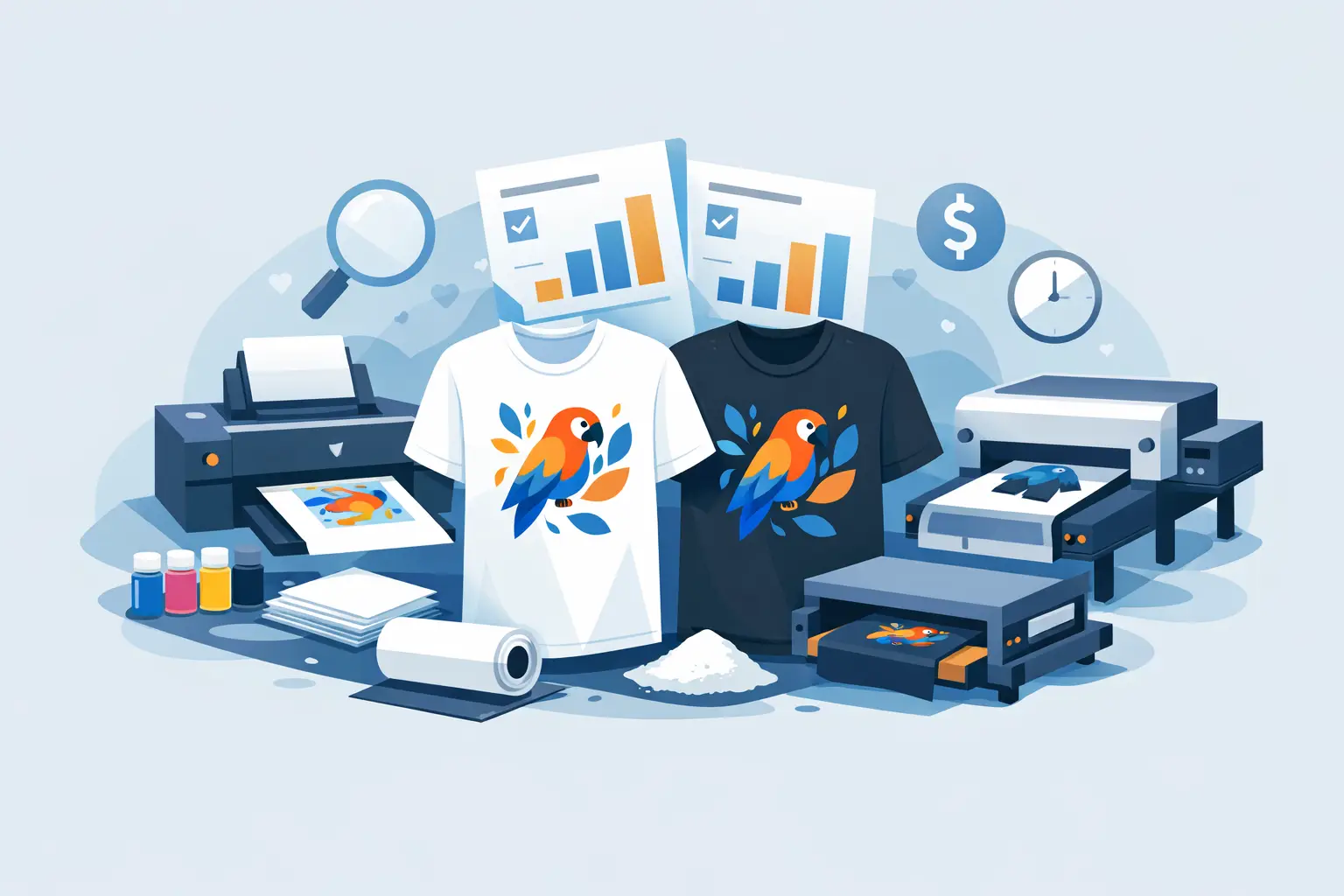
A design can look perfect on a screen and still call for the wrong decoration method once it reaches a shirt, jacket, or team order. This DTF printing comparison helps you match your artwork, order size, garment choice, and project goals with a finish that feels right for the people wearing it.
For many custom orders, DTF printing is a practical choice because it handles detailed, full-color artwork without requiring a large run. But it is not automatically the best answer for every logo, uniform, fundraiser, or family celebration. Screen printing and embroidery each have situations where they make more sense. The right choice starts with what you need the finished item to do.
DTF Printing Comparison: What Makes It Different?
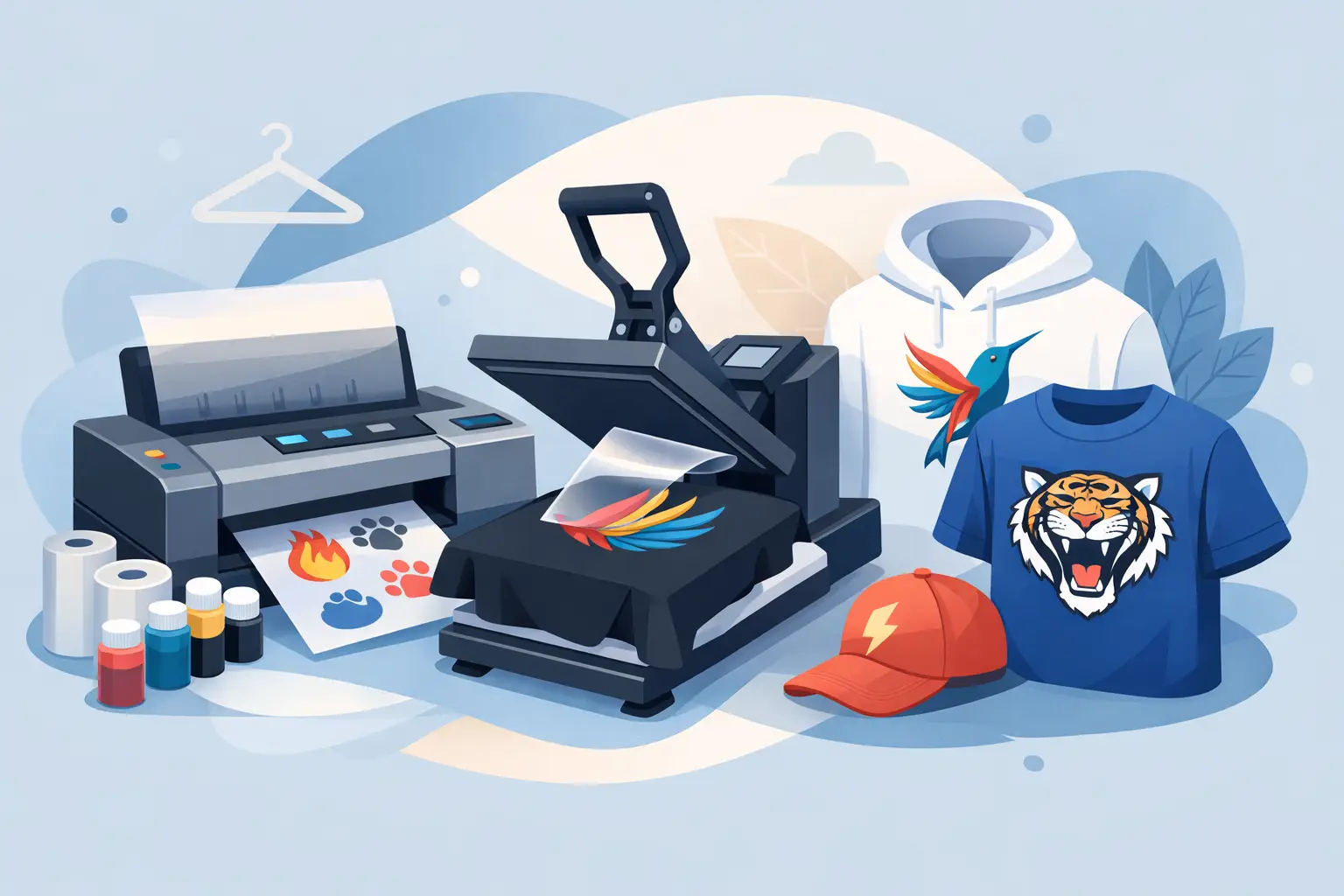
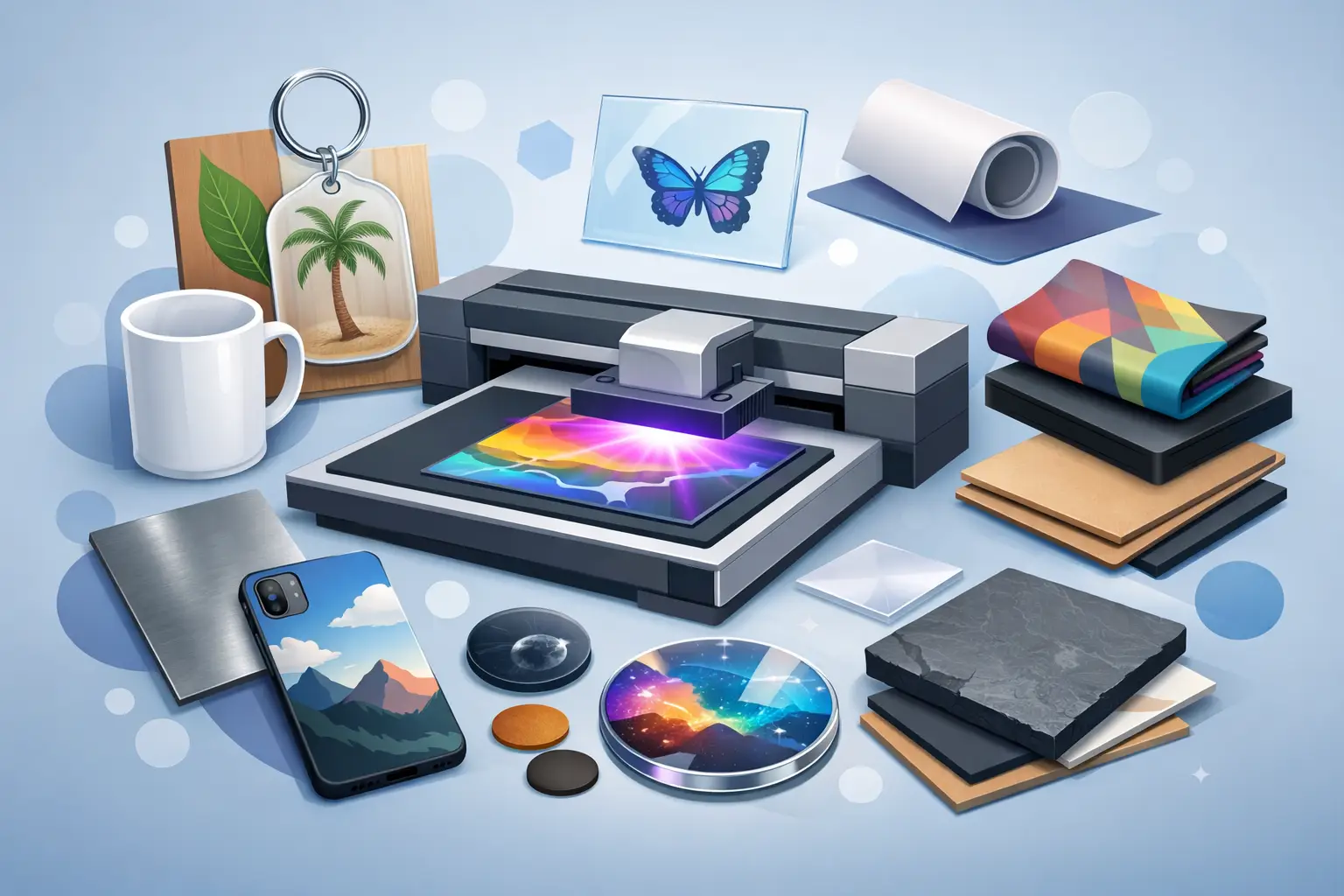
DTF stands for direct-to-film. Your design is prepared for transfer from a printed film onto the chosen garment. For customers, the most noticeable benefit is design flexibility. Full-color graphics, small details, gradients, and multi-color artwork can often be produced without simplifying the design into a limited number of ink colors.
That can be especially helpful for a one-off personalized shirt, a small staff order, a reunion design with several colors, or a logo that includes fine lines and shading. It also gives organizers more freedom when each piece needs a name, number, or variation.
The transfer creates a visible printed layer on the garment, so the size and placement of the art matter. A small left-chest logo feels very different from a large, full-front graphic. When comfort, coverage, or the hand feel of the design is a concern, it is worth talking through the artwork before production. A good recommendation should consider the whole garment, not just the image file.
DTF vs. Screen Printing
Screen printing remains a strong choice for many business, school, team, and event orders. It is commonly selected for designs that repeat across a larger quantity of garments, particularly when the artwork uses straightforward colors and the same print is going on every item.
The key difference is setup. Screen printing is built around preparing screens for the colors in a design, while DTF can be more accommodating for detailed full-color art and smaller quantities. If you need 12 shirts with a colorful event graphic, DTF may be a sensible route. If you need a larger group order with a simple one- or two-color design, screen printing may be the better fit.
Artwork also affects the decision. A bold school spirit design, safety message, or simple company logo can be an excellent match for screen printing. A photograph-inspired graphic, a logo with color transitions, or a design with many small elements may be easier to preserve through DTF. Neither method is “better” in every case. They solve different production needs.
For a growing business, consistency matters too. If you are ordering branded shirts for a new crew now and planning a much larger event order later, share that plan early. The decoration method that works for the first order may not be the same one that makes sense for the next phase.
DTF vs. Embroidery
Embroidery creates a stitched, dimensional look that many customers choose for professional logo apparel, hats, jackets, polos, and uniforms. It has a different visual presence than any printed method. Rather than laying color across the fabric, embroidery builds the design with thread.
For a simple logo on a polo or quarter-zip, embroidery often delivers the polished, uniform-ready appearance organizations want. It can be a natural fit for office apparel, service teams, recognition pieces, and outerwear. DTF may be the stronger option when the artwork has tiny lettering, detailed illustration work, many colors, or a large graphic that would not translate well as stitches.
Scale is important here. A small embroidered chest logo and a large full-back graphic are very different projects. Likewise, a lightweight T-shirt and a structured jacket may call for different approaches. The goal is not to force every logo into one format. It is to choose a decoration that supports the garment, the design, and how the item will be used.
Some coordinated orders can benefit from using more than one method. For example, a company may choose embroidered polos for customer-facing staff and printed T-shirts for a volunteer day or community event. Keeping the logo artwork organized helps the overall look stay connected even when the decoration methods differ.
When DTF Is a Smart Choice
DTF is often worth considering when your project includes detailed artwork, multiple colors, small quantities, or personalization. A birthday shirt with a custom name, a colorful booster club design, a family vacation graphic, or a small set of branded tees can all be good examples.
It is also helpful when you want the artwork to remain visually close to the original design. That does not mean every file is ready to print as submitted. Blurry images, screenshots, and low-resolution logos can limit the final result no matter which method you choose. Sending the clearest version of your artwork gives your production partner a better starting point.
Before deciding on DTF, think about where the design will sit and how much of the garment it will cover. Large, dense artwork can feel different from a small logo. If you are ordering for a team, staff, or event guests, that wearability question matters as much as color and detail.
Questions to Ask Before Choosing a Print Method
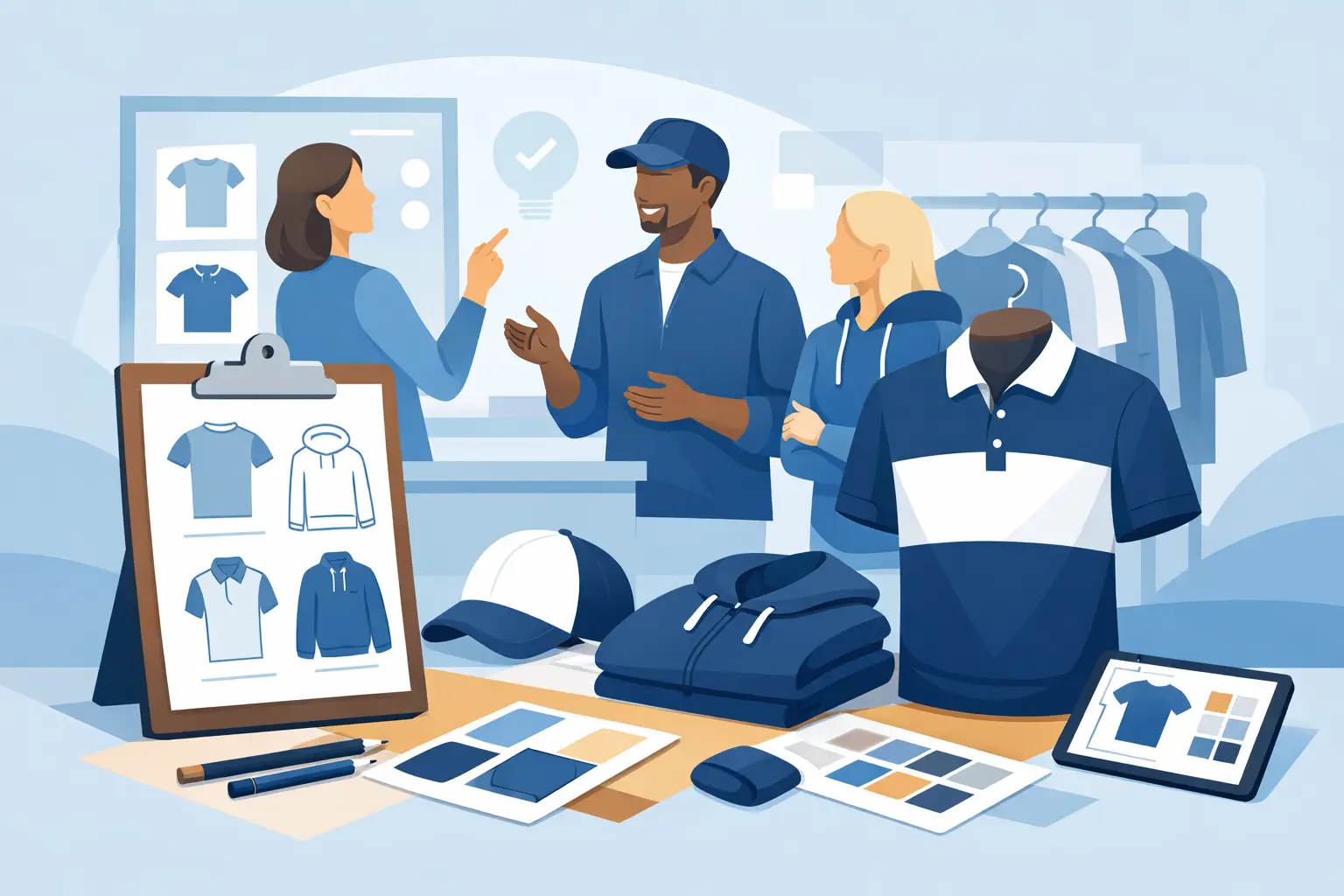
You do not need to know production terminology to make a good decision. Start with a few practical questions: How many pieces do you need? Is your design simple or highly detailed? Will every item have the same artwork? What type of garment are you decorating? Is the goal a professional uniform look, a bold event graphic, a personalized gift, or everyday team apparel?
It also helps to share the intended use. A shirt for a single celebration has different priorities than workwear worn regularly by a staff team. A school fundraiser may need a design that works across youth and adult sizes. A company order may need several garment styles while keeping the logo recognizable on each one.
If your design includes names, numbers, different job titles, or changing details, mention that at the start. Personalization can affect how an order is planned, and it is easier to build those details into the process before artwork is approved.
Start With Your Project, Not the Process
The most useful DTF printing comparison is not a technical checklist. It is a conversation about what you are making, who will wear it, and what you want it to communicate. A clean embroidered logo may be right for your staff polos. Screen printing may be the practical choice for a big school event. DTF may bring a colorful, detailed design to life for a small run or personalized order.
At Busy Bee Stitches, the goal is to make that choice feel straightforward. Share your logo, design idea, garment needs, and quantity, then let the finished purpose of the project guide the recommendation. The best decoration method is the one that helps your team, event, gift, or brand look thoughtfully put together.
Latest Post