Blog
Embroidered Jacket Logos That Look Professional

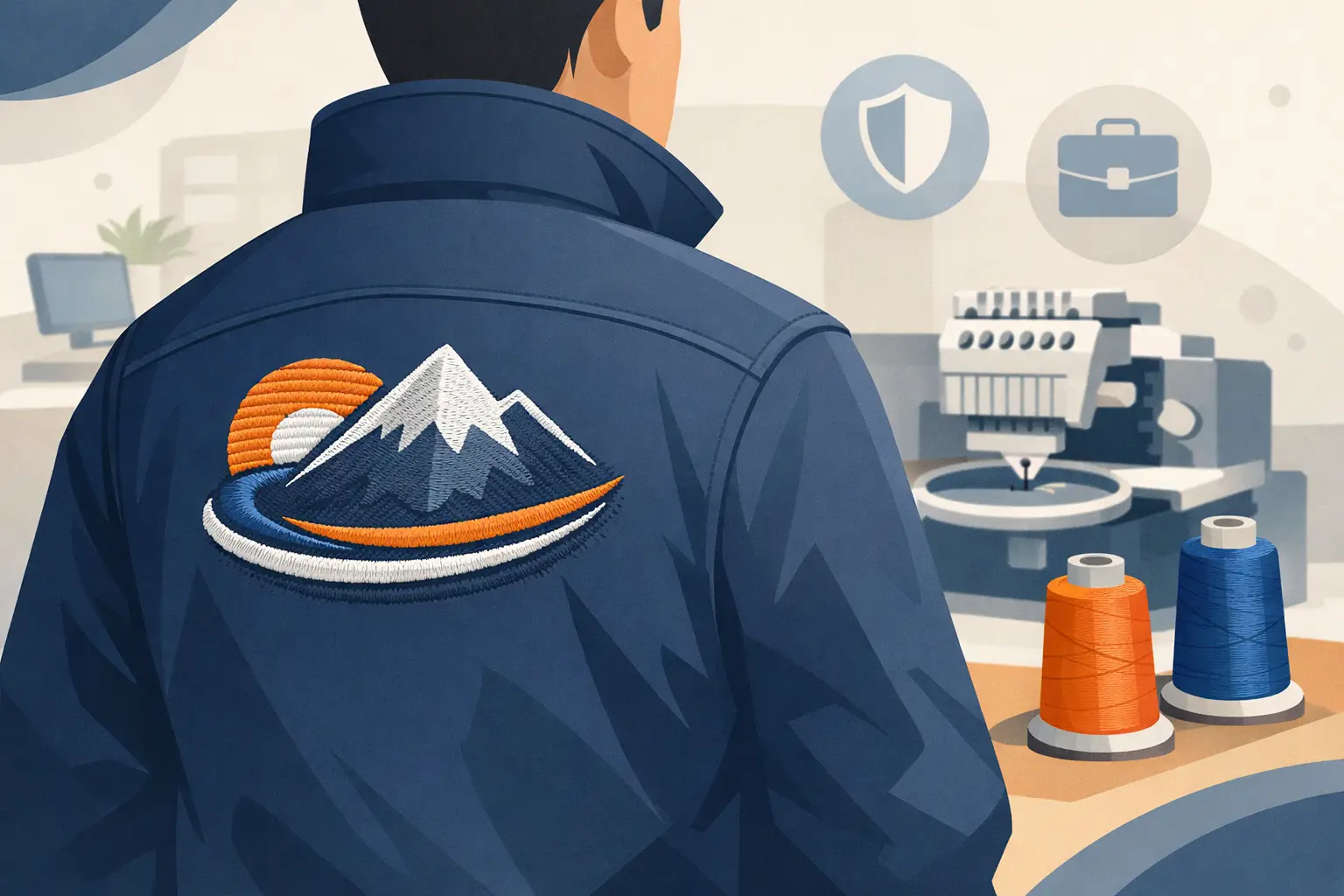
A jacket is often the first layer people see when a crew arrives for work, a team gathers on a cool morning, or volunteers check in for an event. Embroidered jacket logos turn that everyday layer into a clear, coordinated part of your brand. Done thoughtfully, they help employees, members, and supporters look connected without making the design feel oversized or overdone.
For a small business, school, team, or community organization, the best choice is rarely just the biggest logo that will fit. It is the logo, jacket style, placement, and ordering plan working together. Here is how to make those decisions with confidence before your jackets go into production.
Start With the Job the Jacket Needs to Do
Before choosing a garment color or deciding where your logo should go, think about where the jacket will be worn. A front-office team may need a clean, polished layer for customer-facing work. A construction, landscaping, or service crew may need outerwear that fits comfortably over work clothes. Coaches and staff may want something coordinated for games, travel, and school events.
That purpose affects nearly every decision that follows. A lightweight zip-up may suit a spring event or indoor workplace, while a more substantial jacket may make more sense for people who spend time outdoors. Some groups want one jacket style for everyone. Others use a few complementary options, such as a vest, quarter-zip, or full-zip jacket, all carrying the same logo.
Consistency matters more than making every garment identical. When the logo placement, thread colors, and overall look are coordinated, a mixed outerwear order can still feel like one strong program.
Choose Artwork That Embroiders Clearly
Embroidery creates a textured, dimensional look by stitching your design directly onto the garment. That texture is a big part of its appeal, but it also means artwork needs to be suited to stitches rather than simply copied from a business card or social media graphic.
A simple logo with clear shapes, readable lettering, and enough spacing between details usually translates well. Fine lines, tiny text, subtle gradients, and closely packed elements may need to be simplified. This does not mean losing the character of your logo. It means adjusting it so the finished result reads clearly from a natural viewing distance.
Keep Small Details in Perspective
The chest area of a jacket has limited space. A logo that looks crisp on a computer screen can become difficult to read if it includes an address, phone number, slogan, or several small decorative elements. In many cases, using the business name and primary logo mark on the jacket is the more effective choice.
If your full logo includes a detailed tagline, consider whether that line is necessary for this application. A cleaner version may make a stronger impression on outerwear, especially when people see it across a room, in a parking lot, or during a busy event.
Plan for Thread Colors, Not Just Brand Colors
Most organizations have established brand colors, and those should guide the project. Still, thread is not ink. Color can appear different depending on the jacket fabric, lighting, and the size of the stitched areas. A dark thread can disappear on a dark jacket, while a light thread may create better contrast and visibility.
This is one reason artwork review is valuable. A production partner can help identify when a logo color needs a practical adjustment for the garment you selected. The goal is to respect your branding while making sure the design can be seen and recognized.
Pick a Placement People Recognize Instantly
For most embroidered jacket logos, the left chest is the natural starting point. It is familiar, professional, and easy to identify whether the jacket is zipped, partially open, or layered over another shirt. It works well for company uniforms, school staff apparel, team jackets, and event volunteer gear.
That said, placement depends on the jacket and the design. A logo with a wider shape may need a different scale or location to avoid looking cramped. A large back design can make sense for a team, event staff, or organization that wants visibility from behind. Sleeve embroidery can add a name, department, year, or short designation when the garment style allows for it.
The best approach is often restraint. A left-chest logo alone can look sharp and versatile. Adding a name, role, or secondary detail can be helpful, but only when it serves a real purpose. Too many embroidered elements can compete for attention and make a jacket feel less cohesive.
Match the Jacket Color to Your Brand and Your Environment
Black, navy, charcoal, and gray jackets are popular because they pair easily with uniforms and everyday clothing. They can also provide a practical backdrop for a logo with light or bright thread. But classic does not have to mean plain. A school color, a bright event color, or a two-tone jacket may be the right choice when visibility and spirit are part of the goal.
Consider how the jacket will look after a long workday or throughout a season of use. Think about the people wearing it, too. If your group includes a wide range of sizes and roles, a versatile color and familiar jacket style may make ordering easier.
There is also a branding question: should the jacket blend into an existing uniform, or should it stand out as a special team layer? Neither option is automatically better. A restaurant crew may prefer a subtle logo that complements their standard attire, while a tournament staff group may benefit from a color that is easy for participants to spot.
Build an Order That Works for Real People
A good jacket order accounts for more than logo placement. You will want to gather sizes, confirm garment style choices, decide whether names or job titles are needed, and make sure the artwork being submitted is the correct version. For larger groups, assigning one person to collect details can prevent duplicate names, missing sizes, and last-minute changes.
It also helps to think ahead. Will new employees, players, or volunteers join later? If so, selecting a jacket style that can be reordered may be useful. If your organization has different departments, decide whether each group needs the same logo or a variation, such as a department name beneath the main mark.
For personalized jackets, confirm spelling carefully before production. Names and titles make a garment feel personal and organized, but they also require a clean, final list. A little care at this stage helps the finished order feel intentional from the first jacket to the last.
Know When Embroidery Is the Right Decoration Method
Embroidery is a natural choice for many jacket projects because it gives logos a polished, textured appearance. It is especially well suited to clear company marks, school names, team identifiers, and designs that do not depend on photographic detail or intricate color transitions.
However, it depends on the artwork and garment. A large, highly detailed full-color graphic may be better suited to another decoration method. Likewise, some jacket materials, pockets, seams, and specialty construction details can affect where a design can be placed. Sharing your idea early makes it easier to choose the approach that fits the finished look you have in mind.
At Busy Bee Stitches, customers can submit a logo or even a starting idea and receive guidance on turning it into coordinated apparel for a business, group, family, or event. You do not need to know production terminology to ask the right first question: what will look best on this jacket?
A Simple Way to Get Started
Start with a few basics: the number of jackets, who will wear them, the garment style or general look you want, and the logo or artwork you plan to use. From there, decide whether you need standard left-chest embroidery only or personalized details such as names, roles, or a second placement.
Photos or screenshots of jackets you like can also be useful as visual direction. They help communicate whether you want a subtle corporate look, a bold team style, or something more personal for a family reunion or special occasion. The final design does not need to match the inspiration exactly, but examples make preferences easier to explain.
A well-planned jacket is more than outerwear with a logo added at the end. It is a piece your people will be comfortable wearing, a recognizable signal of your organization, and a practical way to carry your name wherever the day takes them.
Latest Post