Blog
Logo Apparel That Helps Your Team Look United

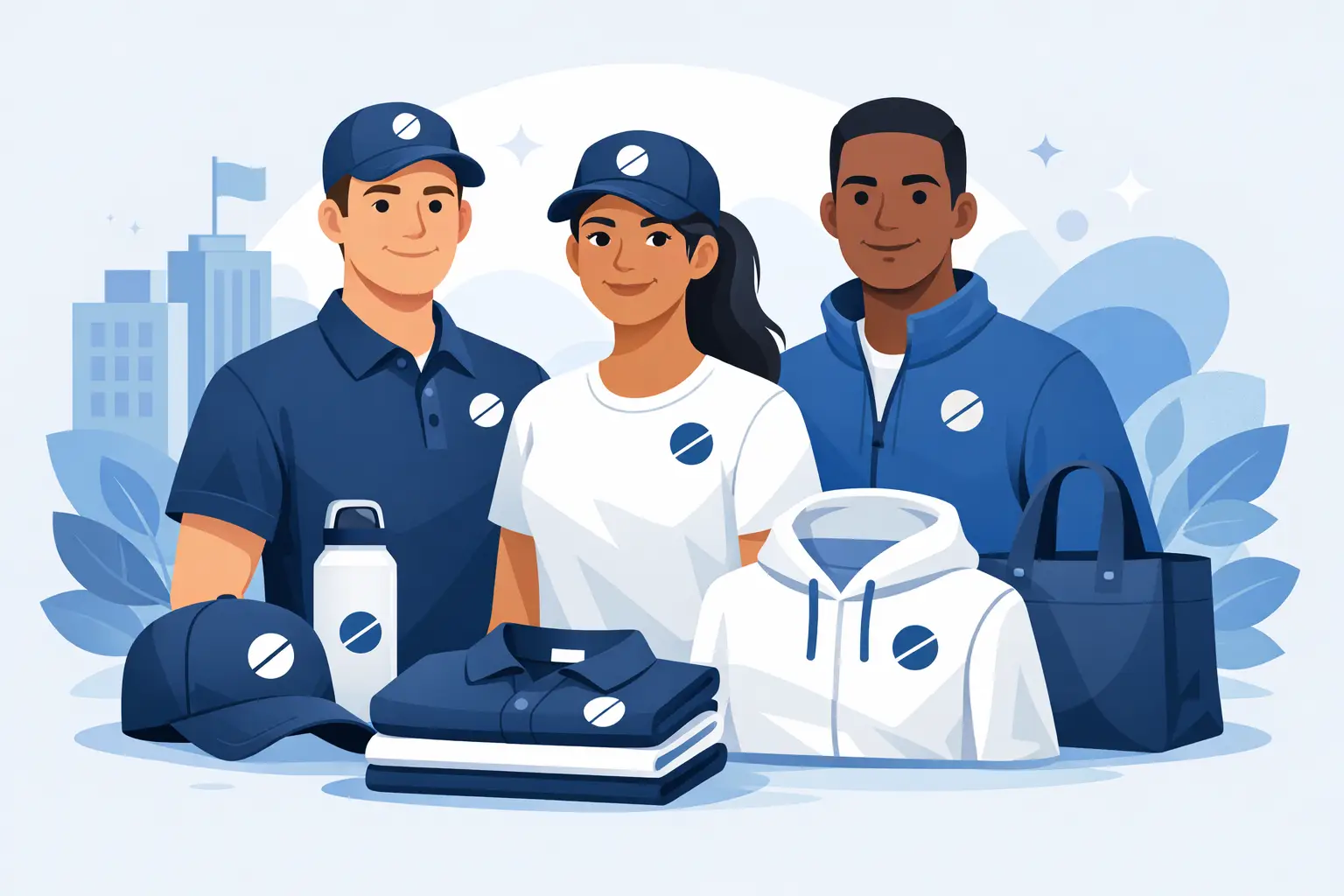
A logo on a shirt is more than a graphic placed on fabric. The right logo apparel helps customers recognize your business, gives employees a shared look, and makes teams, schools, and events feel organized from the first impression. But the best choice is not always the most expensive garment or the biggest logo. It is the combination that fits how your group actually works, wears, and shows up.
For a landscaping crew, that may mean practical work shirts with a clear chest logo. For a school fundraiser, it may mean a colorful T-shirt people are happy to wear long after the event. For a small business meeting clients face-to-face, embroidered polos or jackets can create a polished, approachable appearance. Starting with the purpose makes every next decision easier.
Start With the Job Your Apparel Needs to Do
Before choosing colors, garment styles, or decoration methods, think about who will wear the apparel and where they will wear it. A uniform for daily work has different needs than a shirt for a one-day event. A volunteer group may need easy-to-identify shirts, while a booster club may want a design that family members will choose for weekend wear.
Ask a few practical questions: Will the apparel be worn indoors, outdoors, or both? Does the group need matching items, or does each person need a style that suits their role? Will you be ordering once, or adding new team members throughout the year? These answers help narrow the project before you spend time comparing every available option.
It also helps to decide what matters most. Some organizations prioritize a consistent professional look. Others need a design that stands out from a distance. A family reunion may focus on names, dates, and a personal message. There is no one right answer, but there is usually a right direction for your project.
Choose Logo Apparel That Fits the Wearer
The garment is part of the message. A beautifully decorated logo can still feel out of place if the apparel does not match the setting or the people wearing it.
Polos are often a natural fit for customer-facing teams, office staff, golf outings, and organizations that want a coordinated look without feeling overly formal. T-shirts work well for events, staff shirts, school groups, spirit wear, and casual business branding. Hoodies, jackets, and hats can add useful layers for outdoor crews, cooler weather, or a merchandise collection.
Fit and sizing deserve attention early. If several people will be wearing the same apparel, offer a size range that gives everyone a comfortable option. For larger group orders, collecting sizes before the order is finalized can prevent avoidable leftovers or last-minute substitutions. If you expect to reorder for new employees or seasonal programs, keeping the garment color, logo placement, and decoration approach consistent can make future orders simpler.
Color matters, too. Your brand colors may be the starting point, but they are not the only consideration. A dark logo can disappear on a dark garment, and a light design may need more contrast to stay clear on a light shirt. Think about the places the apparel will be seen: a busy jobsite, a gymnasium, a community event, or across a counter from a customer.
Keep the Logo Clear at the Size It Will Be Worn
A logo built for a website header or business card does not always translate directly to apparel. Fine lines, tiny wording, and small interior details can become hard to read when reduced for a left-chest placement or hat front.
That does not mean you need to redesign your identity. Often, a production partner can recommend a simplified logo version for smaller placements while keeping the look recognizable. For example, a full logo may work well across the back of a T-shirt, while an icon, initials, or shorter logo treatment may be better on the front chest.
Whenever possible, provide the cleanest version of your artwork. A vector file is often helpful for logo work, but a clear, high-resolution image can also provide a useful starting point for review. If all you have is a photo, screenshot, or old file, share it anyway. It is better to start the conversation than to guess about what can be reproduced clearly.
Match the Decoration Method to the Design
The decoration method affects the final look, so it should follow the garment, design, order size, and intended use. You do not need to know production terminology before asking for help. A clear description of your project, along with your logo or design idea, gives the production team what it needs to guide you.
Embroidery for a Polished, Dimensional Look
Embroidery uses stitched thread to create a textured logo or design. It is a popular choice for polos, hats, jackets, uniforms, and other apparel where a professional, classic appearance is the goal. Simple logos, lettering, and bold shapes often translate especially well.
Embroidery is not always the best choice for artwork with tiny details, color gradients, or a large full-front graphic. In those cases, another decoration option may show the design more clearly. Placement also matters. A left-chest logo, sleeve detail, or hat design calls for different sizing than a large back design.
Screen Printing for Group Orders and Bold Designs
Screen printing is often a strong option for business shirts, school spirit wear, teams, events, and other projects with a larger quantity of matching garments. It works especially well for designs with solid colors and clear shapes.
A simple one-color event shirt and a multicolor team design can both be good screen-printing candidates, depending on the artwork and order. The key is planning around the number of colors, print locations, garment colors, and total quantity. Those details influence the best production route, so sharing them at the quote stage helps you receive more accurate guidance.
DTF Printing for Detailed Full-Color Artwork
DTF printing can be a practical option for detailed full-color graphics, smaller runs, and designs that include multiple colors or fine visual elements. It can be helpful when the artwork has more complexity than a simple stitched logo or solid-color print.
The best method still depends on the project. A detailed commemorative design may call for a different approach than a durable-looking work uniform logo. Rather than choosing based on a trend or a single sample you have seen online, compare the method to the way the finished apparel will be used.
Plan Placement Before Production Begins
Placement is one of the details people notice without realizing it. A logo that is too small can get lost. One that sits too low, too high, or too close to a seam can make an otherwise strong garment feel unfinished.
Common placement choices include a left chest, full front, back, sleeve, and hat front. Each has a different purpose. A left-chest logo is understated and professional. A large back print can make staff or volunteers easier to identify. A sleeve can hold a secondary detail, such as a department name, event year, or short message. For a coordinated uniform program, combining a simple front logo with a larger back identifier can balance polish and visibility.
Personalization can make group apparel more useful. Names, job titles, player numbers, or roles can help customers, parents, and participants quickly identify the right person. Still, personalization adds details to manage, so review spelling, numbers, and placement carefully before production. A simple roster or spreadsheet can keep a larger order organized.
Make Ordering Easier for Your Group
A smooth order begins with a complete picture of the project. Include the apparel type you are considering, estimated quantity, garment colors, sizes if known, logo or artwork, desired placement, and the date you need the order in hand. If you are still deciding on some of those items, that is okay. An estimate and a few project goals are enough to begin a helpful conversation.
For recurring programs, save the approved artwork and note the garment and decoration details that worked well. This creates consistency when you need to outfit new staff, replenish team gear, or plan next year’s event. It also gives you a dependable baseline if you want to add a new item, such as hats or jackets, later.
Busy Bee Stitches helps customers bring together the moving parts of custom apparel, from reviewing artwork and choosing a decoration method to organizing personalized details for a group order. Local pickup can be convenient for nearby customers, while nationwide shipping helps organizations coordinate apparel beyond one location.
A Better Result Comes From a Clear Plan
Logo apparel does not have to be complicated, but it benefits from a little forethought. Choose garments people will want to wear, make sure the logo stays readable, and let the intended use guide the decoration method and placement. A well-planned order feels intentional whether it represents two employees at a front desk or hundreds of participants at a community event.
The strongest branded apparel gives people a reason to wear your name with pride. Start with what your group needs to accomplish, share your ideas, and build from there.
Latest Post